

2025 Ikigai Walkshop
The Shikoku Pilgrimage has been practiced for over 1,200 years and spans over 1000 kilometers, connecting a total of 88 revered Buddhist temples situated on the island of Shikoku, Japan.
Throughout our adventure, we had the opportunity to visit 11 of these significant temples as we hiked our way through beautiful hills and lush forests, all while enjoying views overlooking the ocean.
The Shikoku Pilgrimage “88 Temple” Walkshop at a glance
Trail Difficulty: moderate - Advanced
For the first time in 2025, our community went to Asia for a different kind of cultural and hiking experience. We had the opportunity to explore the famous Shikoku Pilgrimage in fall, taking in the natural beauty and changing colors of the forests surrounding these ancient temples.
6 nights accommodation in regional hotels, with a mix of Japanese style and Western style accomodations
4 days of hiking, 1 day workshop focused on the Ikigai principles, discovering purpose through exploring the intersection of what we love, what we’re good at, what the world needs, and what we can be paid for.
14 Leaders who pushed their limits while accomplishing this pilgrimage together
Visited 11 of the 88 famous temples and monasteries in the forests of Shikoku
Wander where the WiFi is weak
Shikoku island pilgrimage - Ikigai Walkshop - 2025
Ikigai Walkshop Gallery
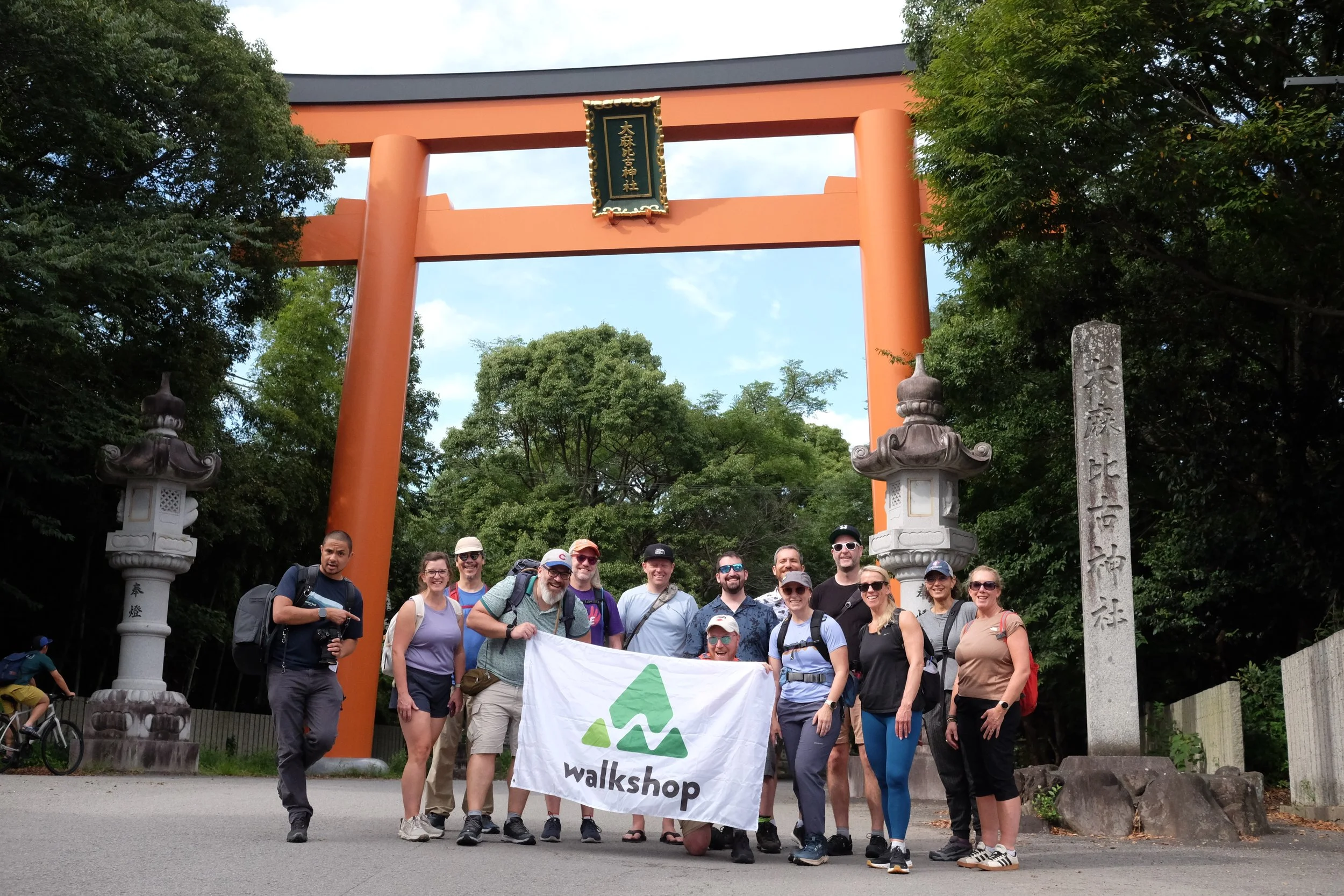
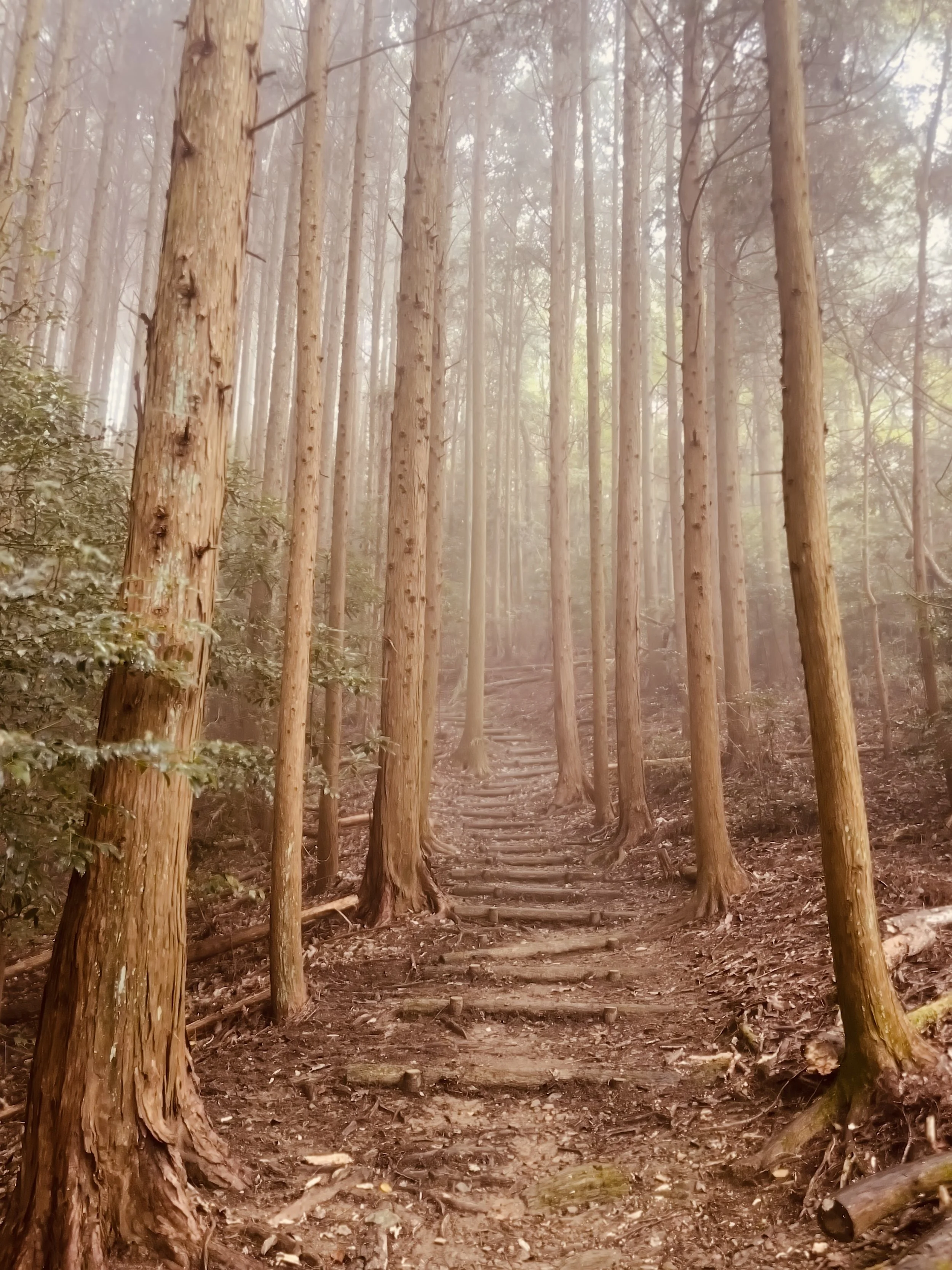
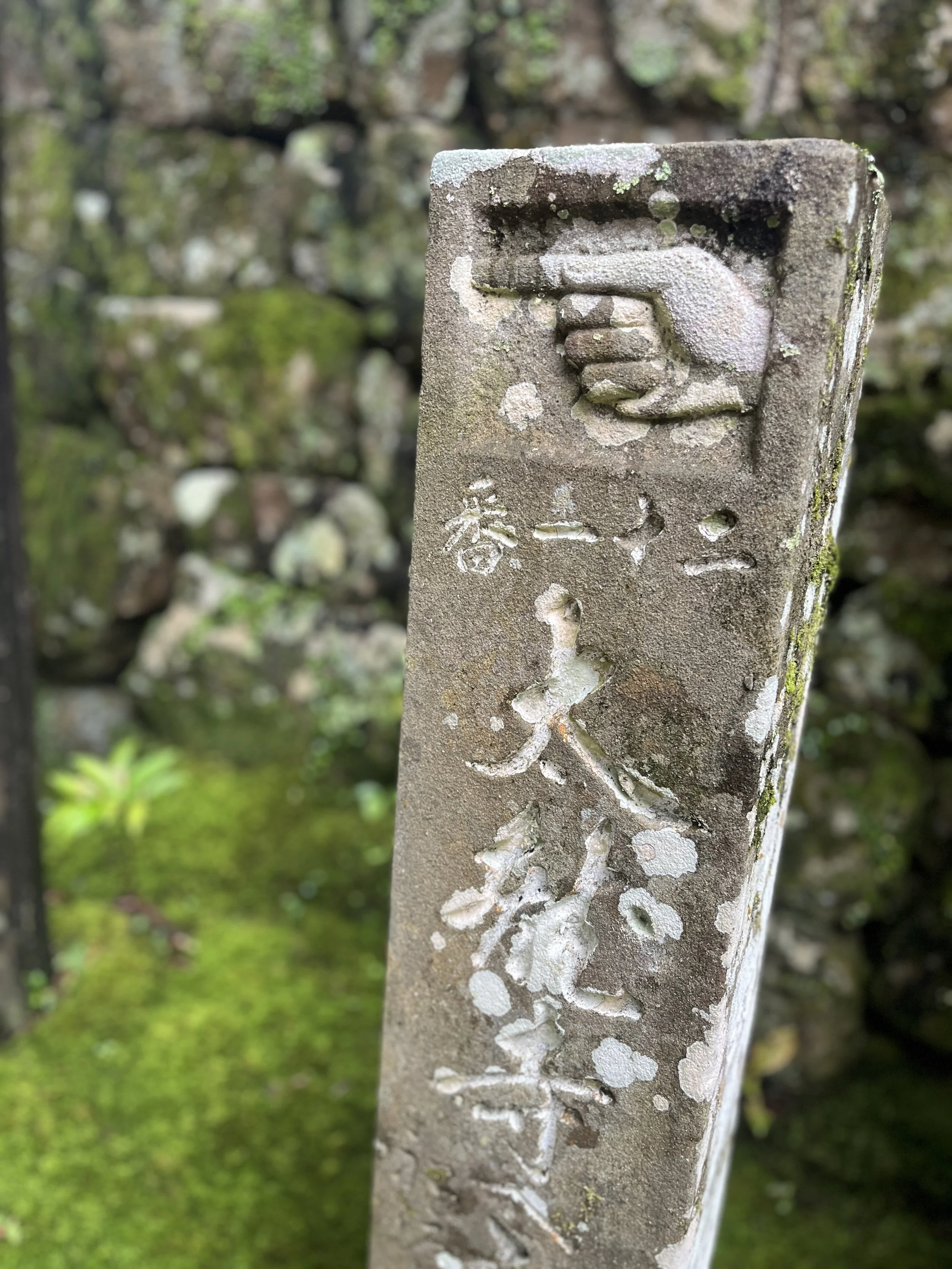
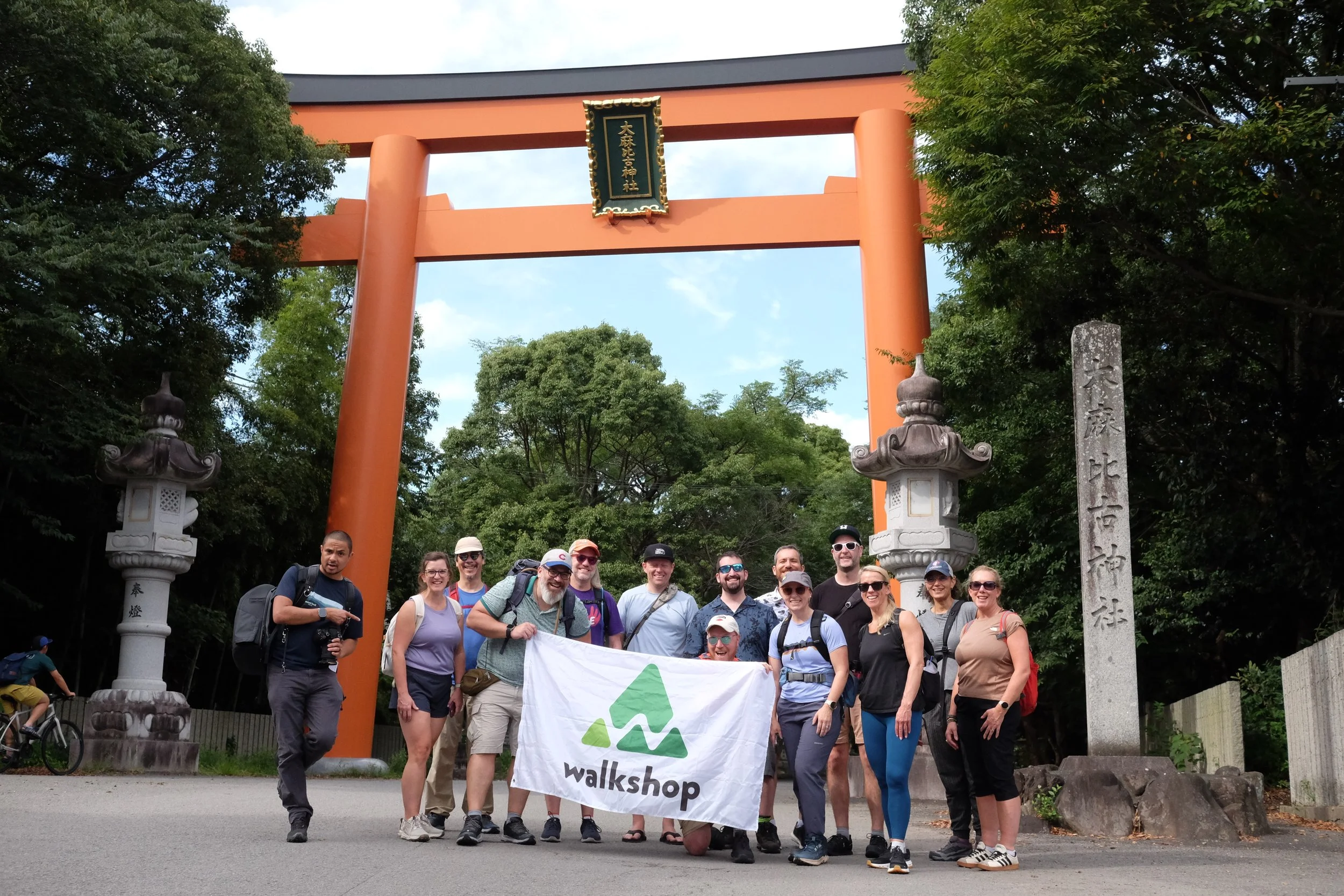

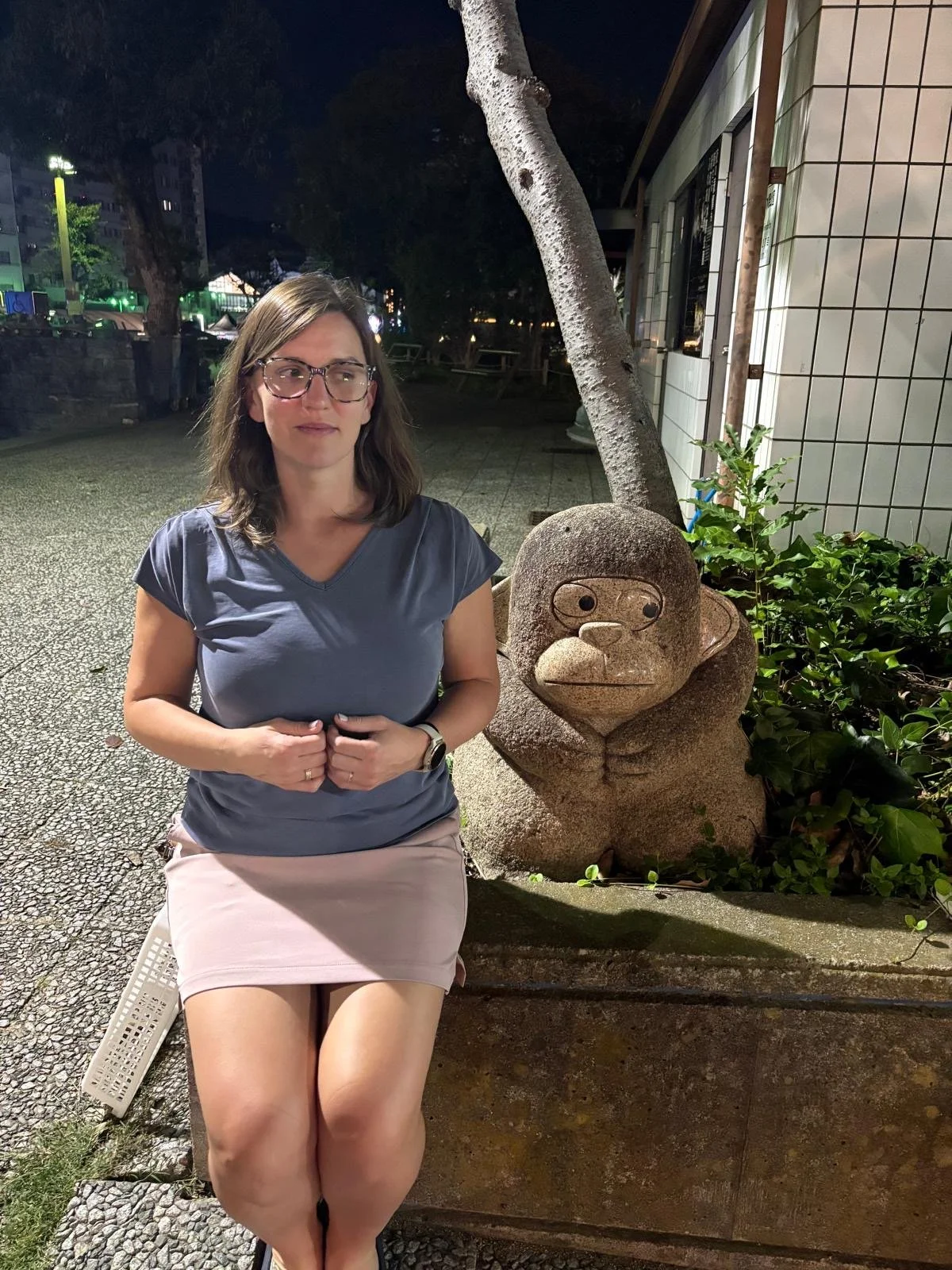
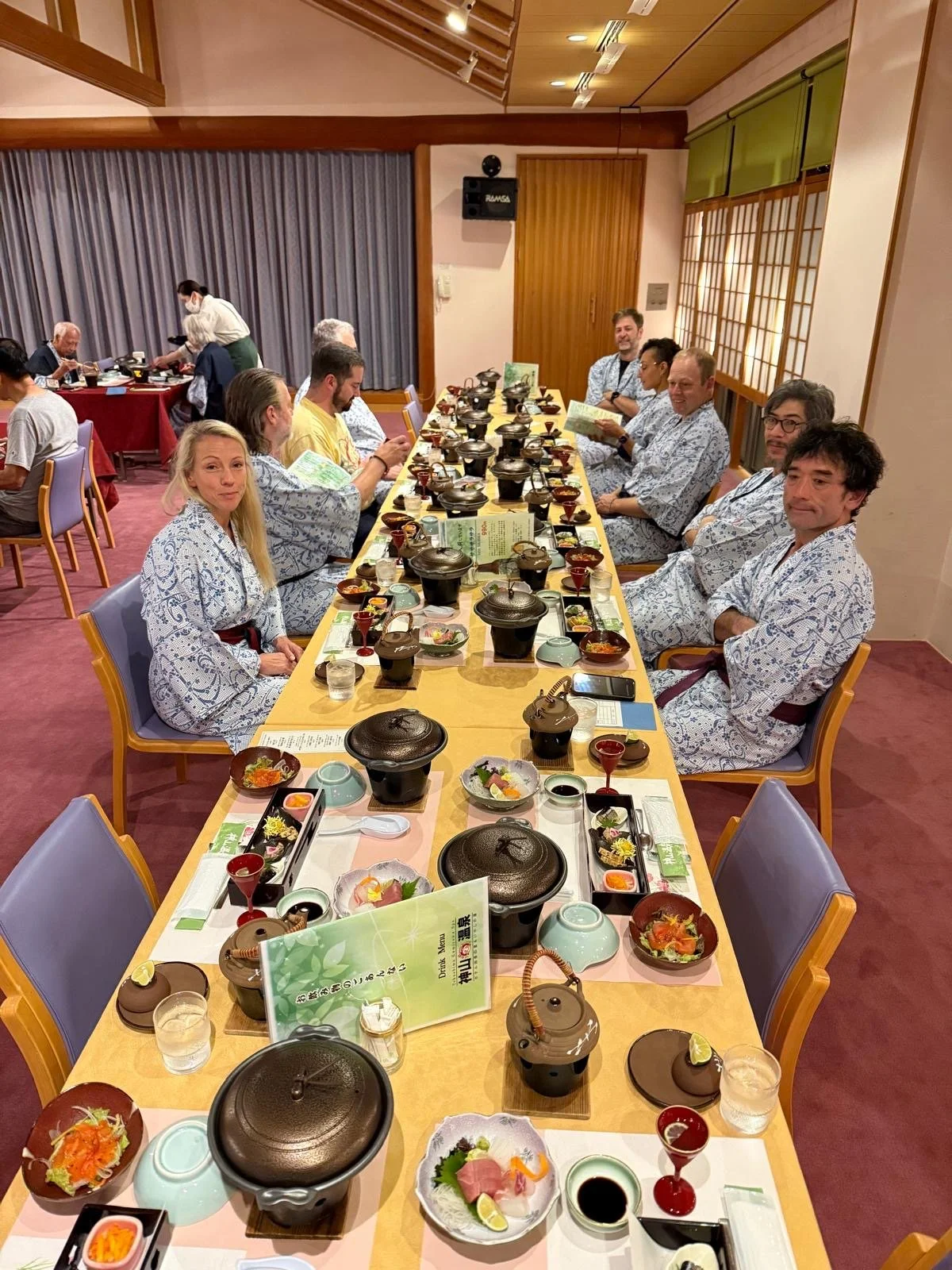
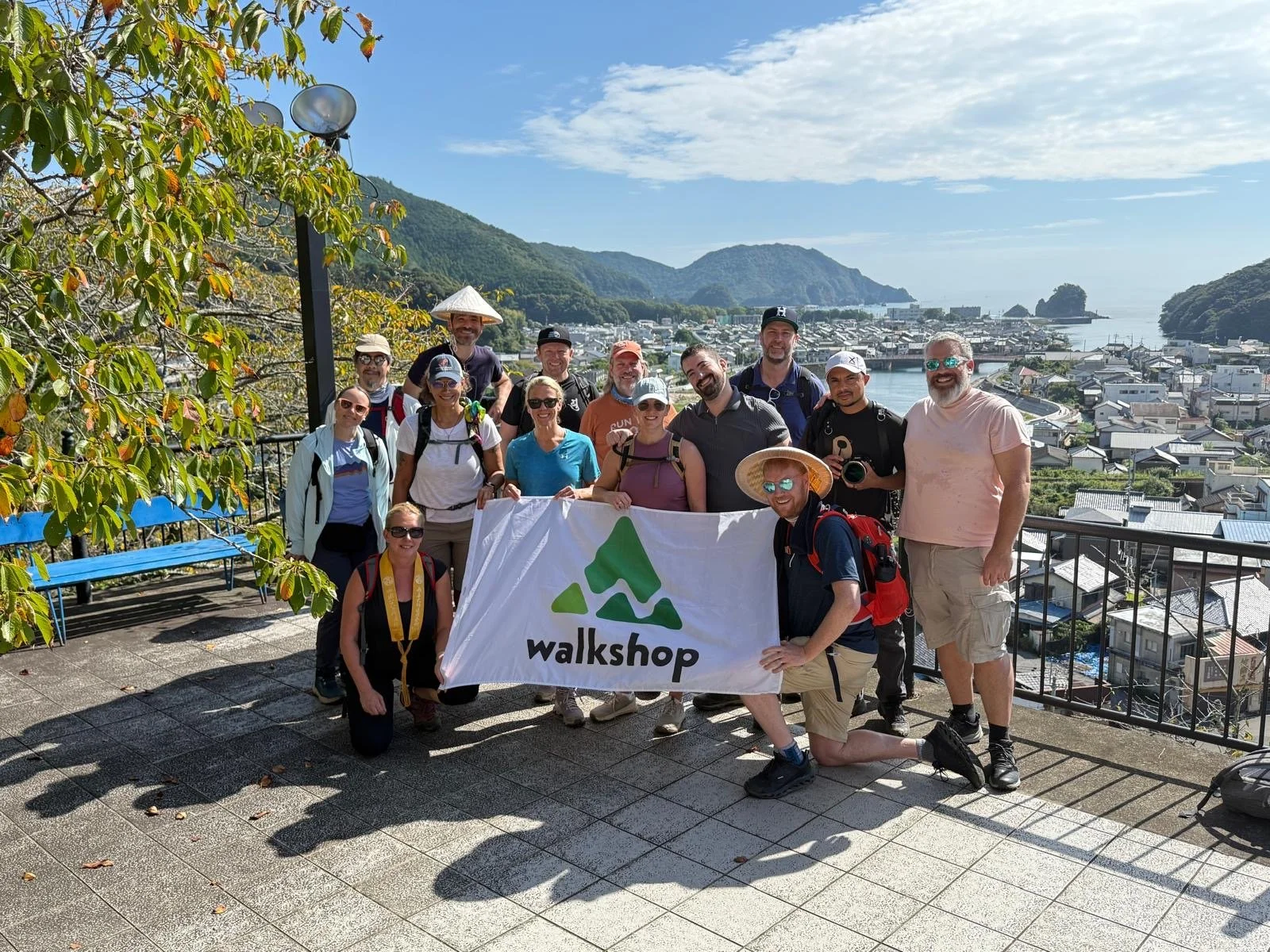
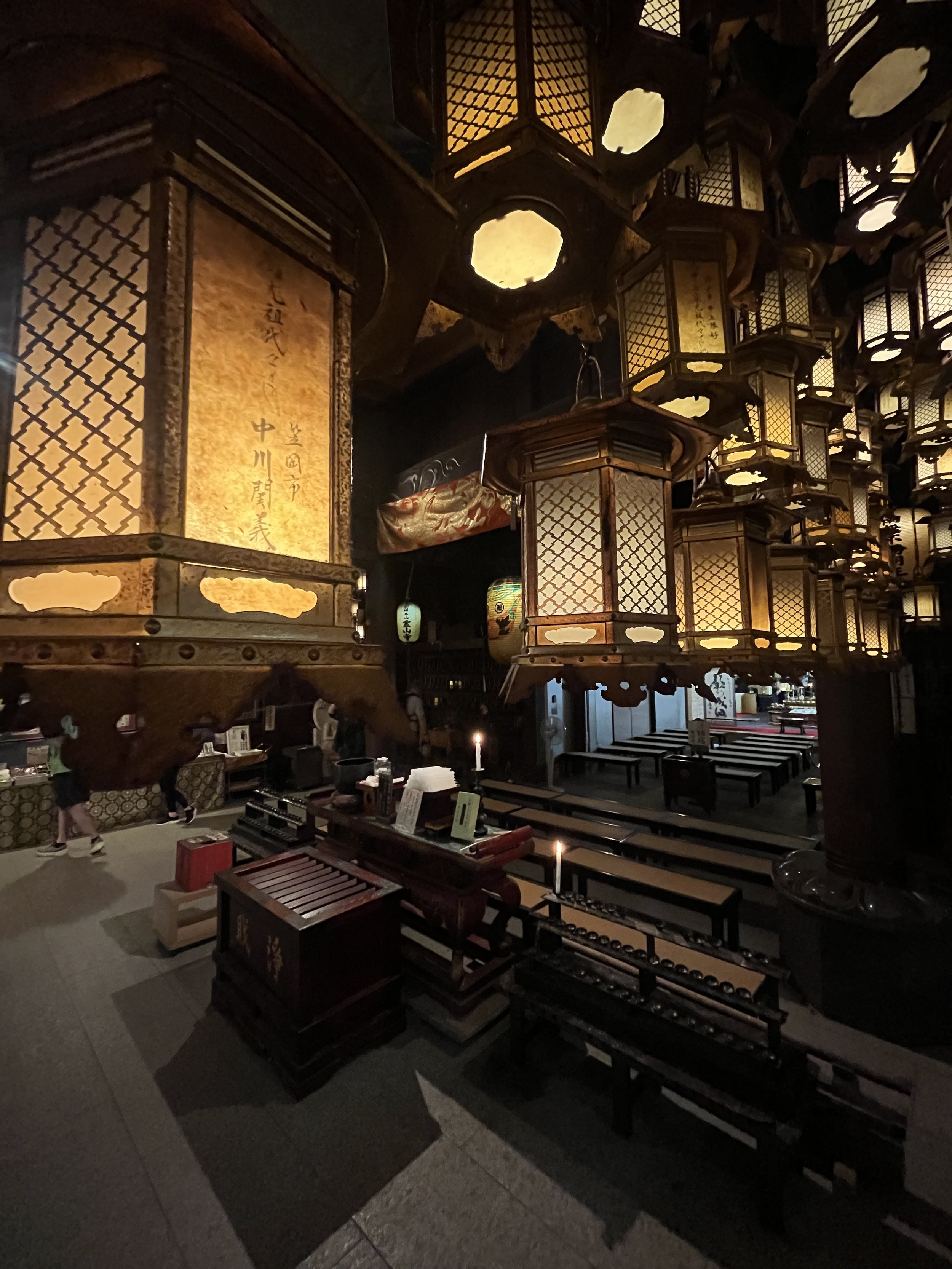
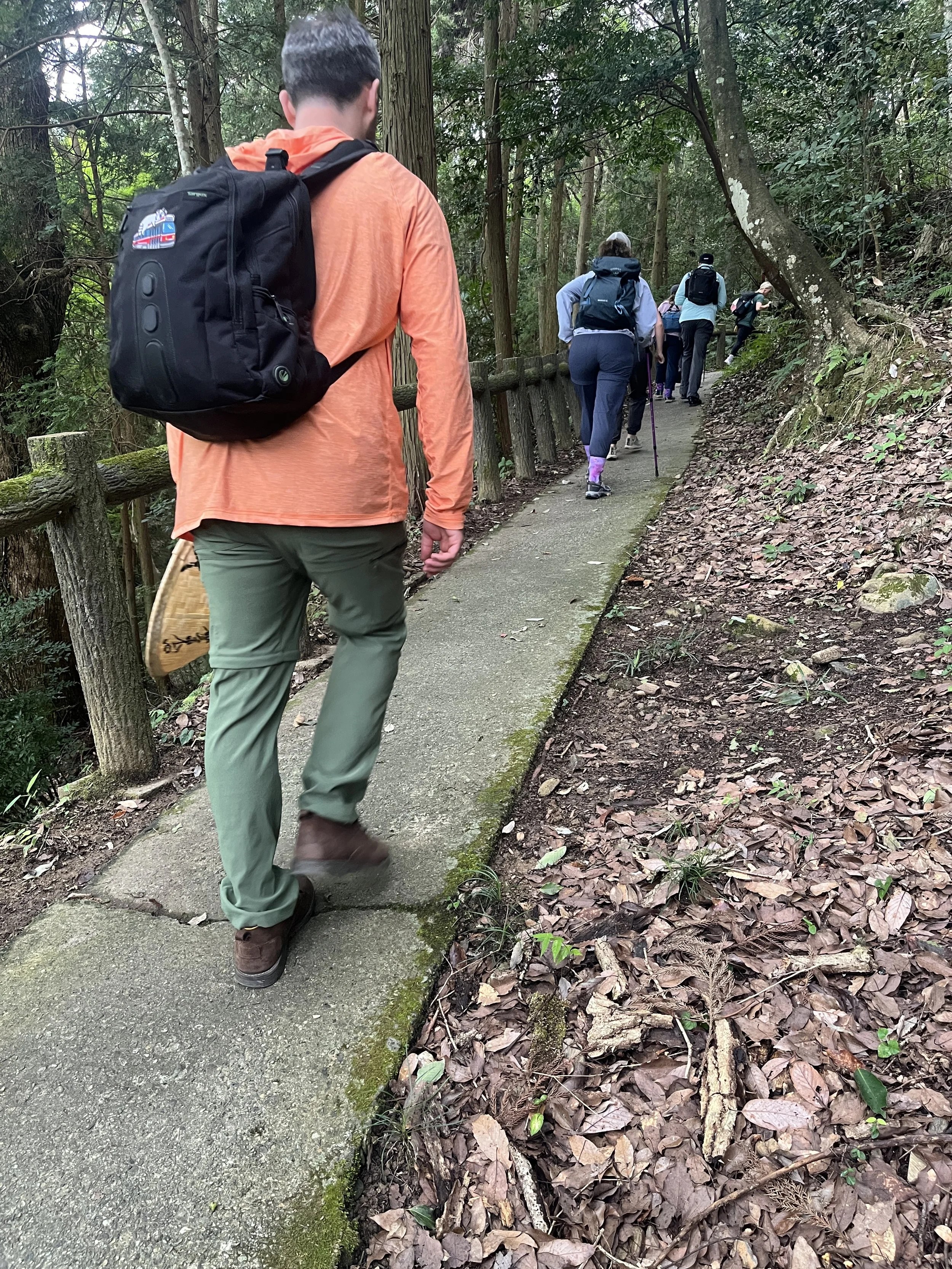
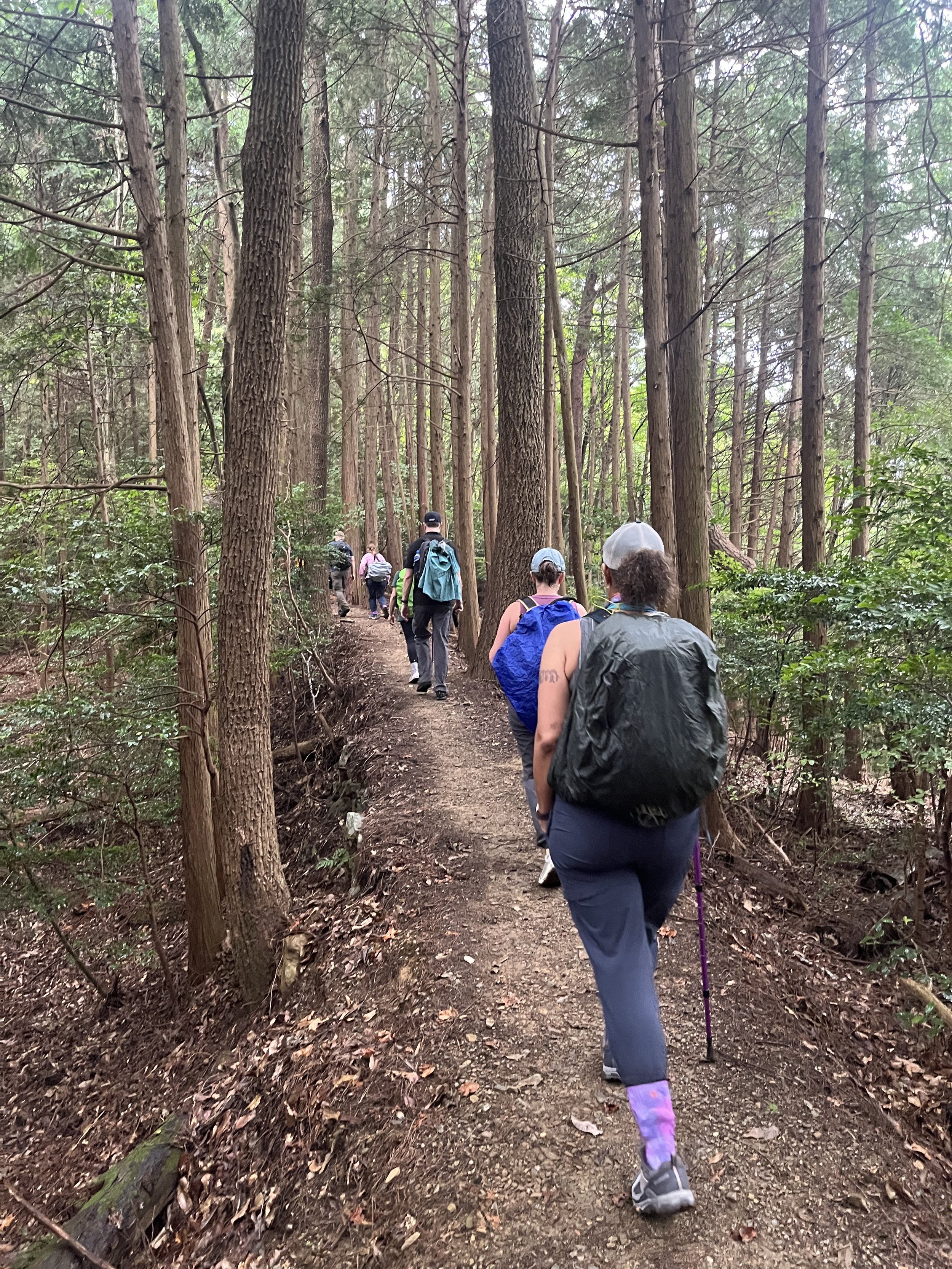
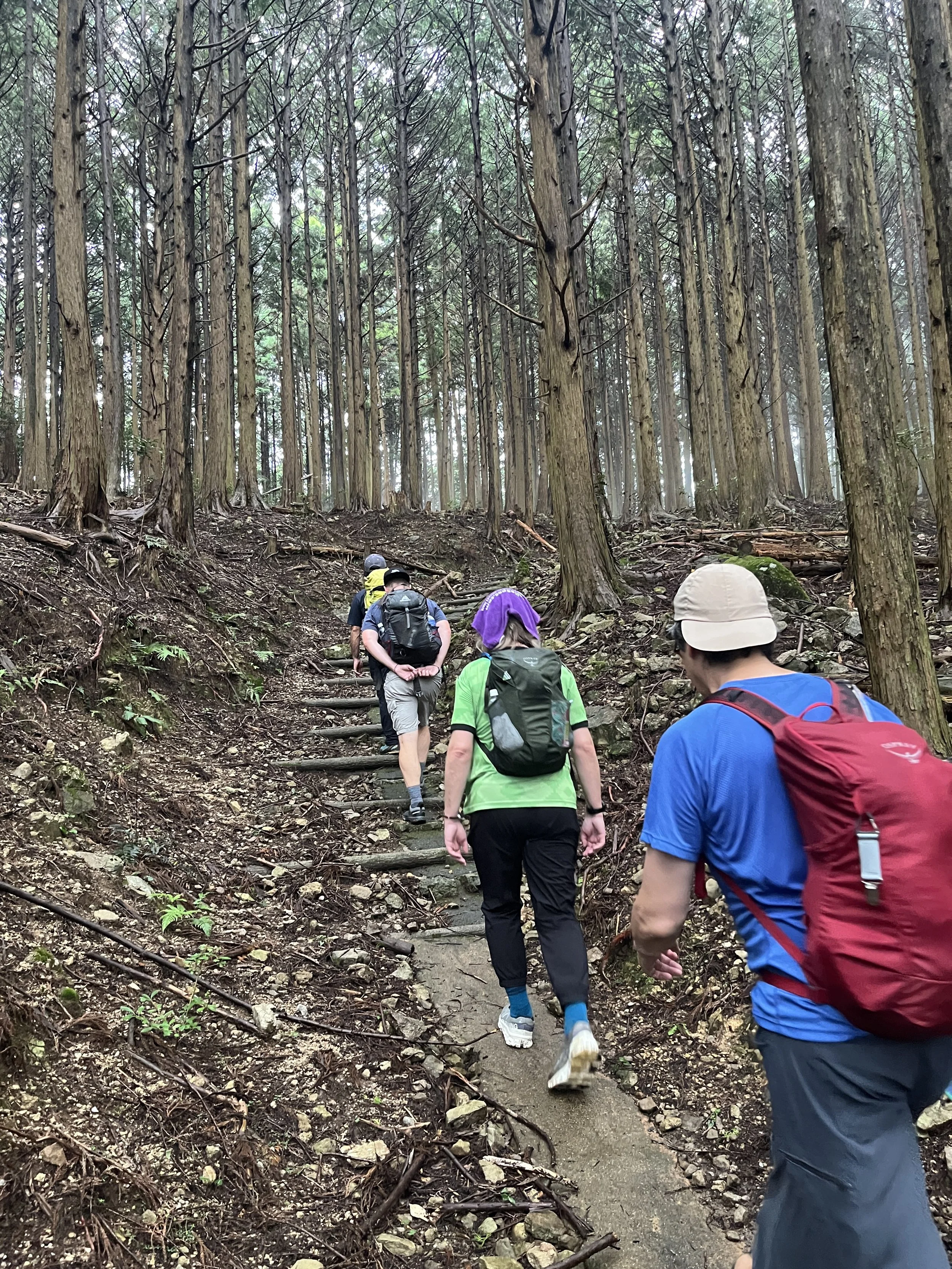
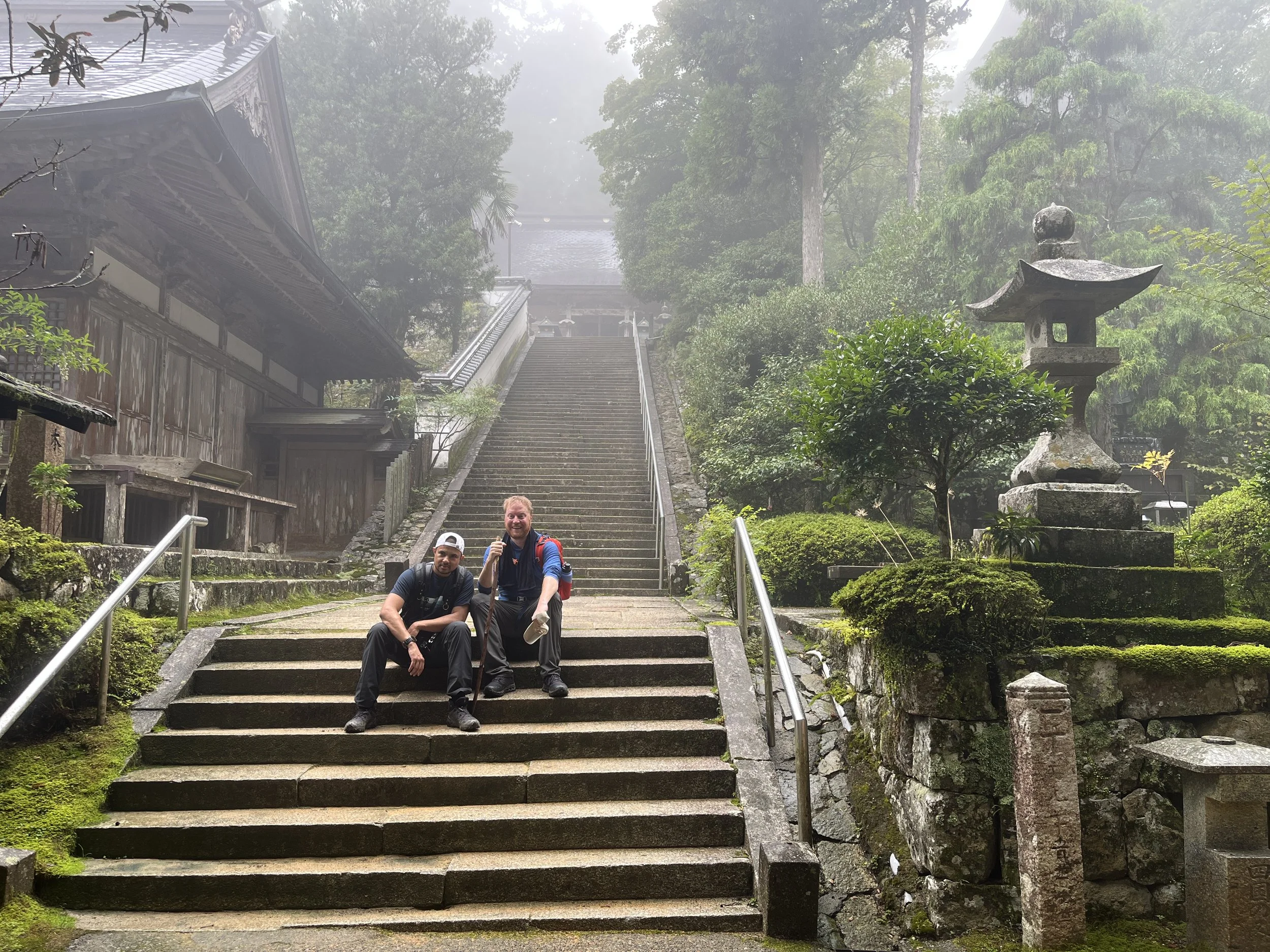
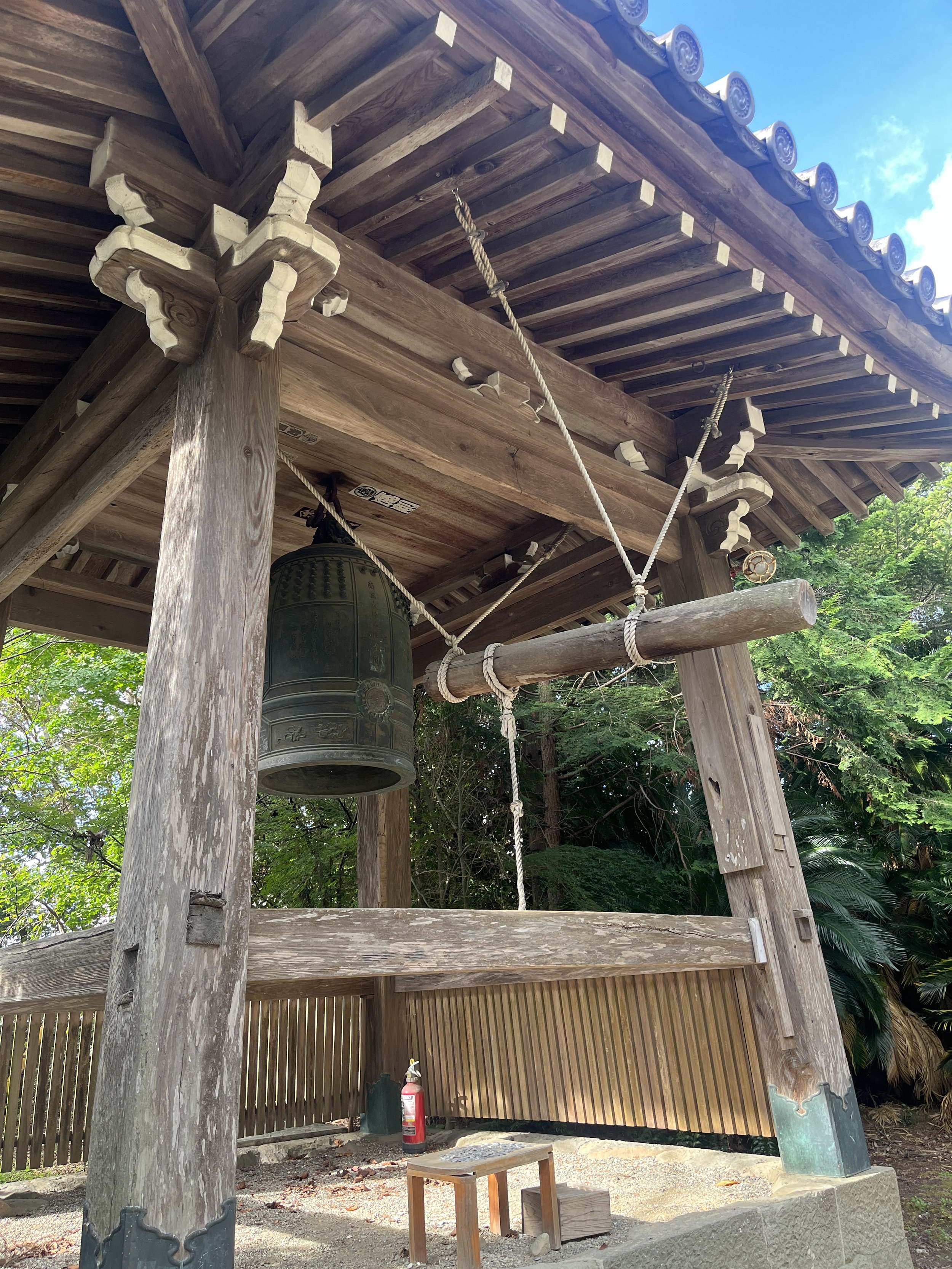
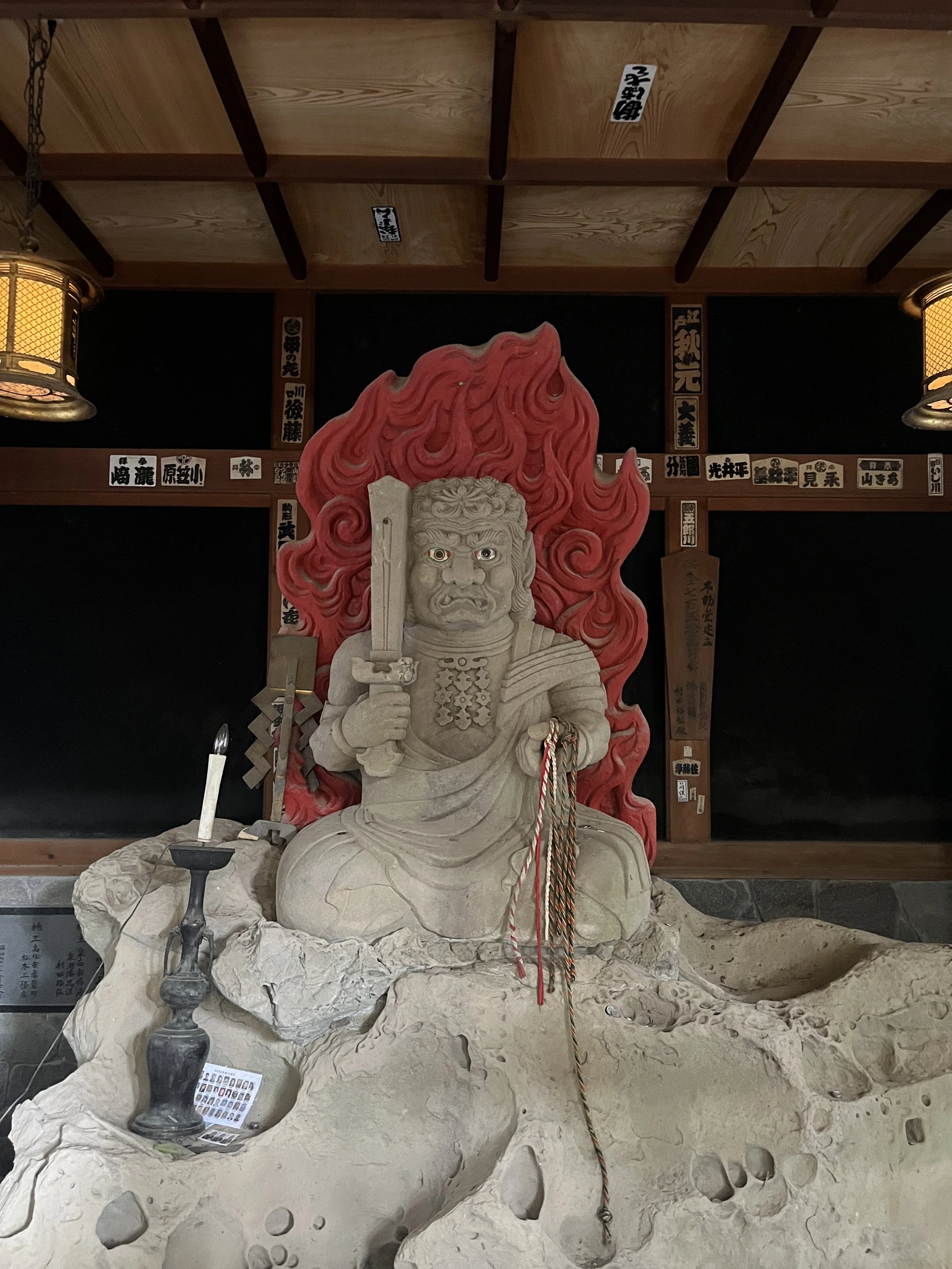
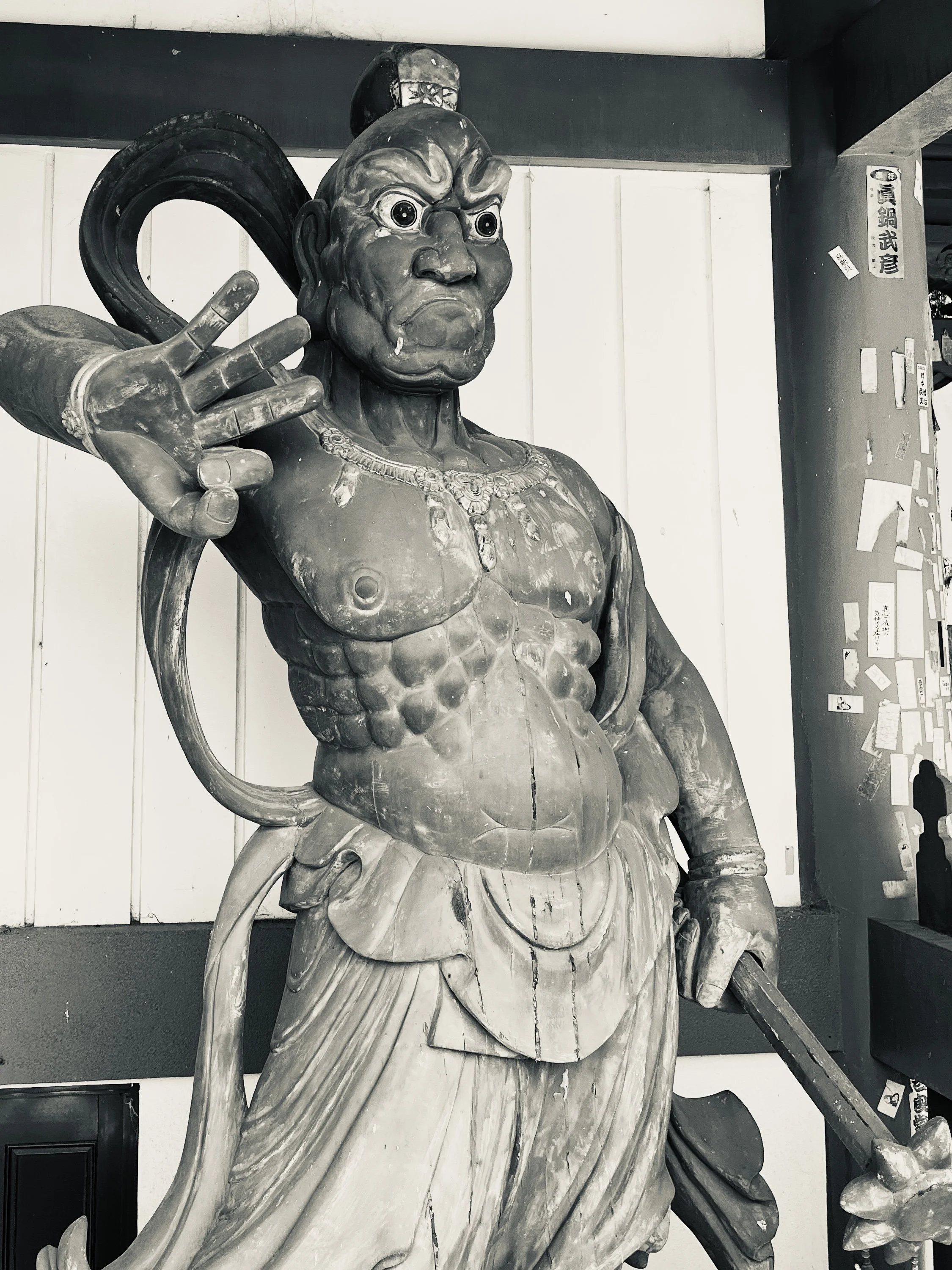
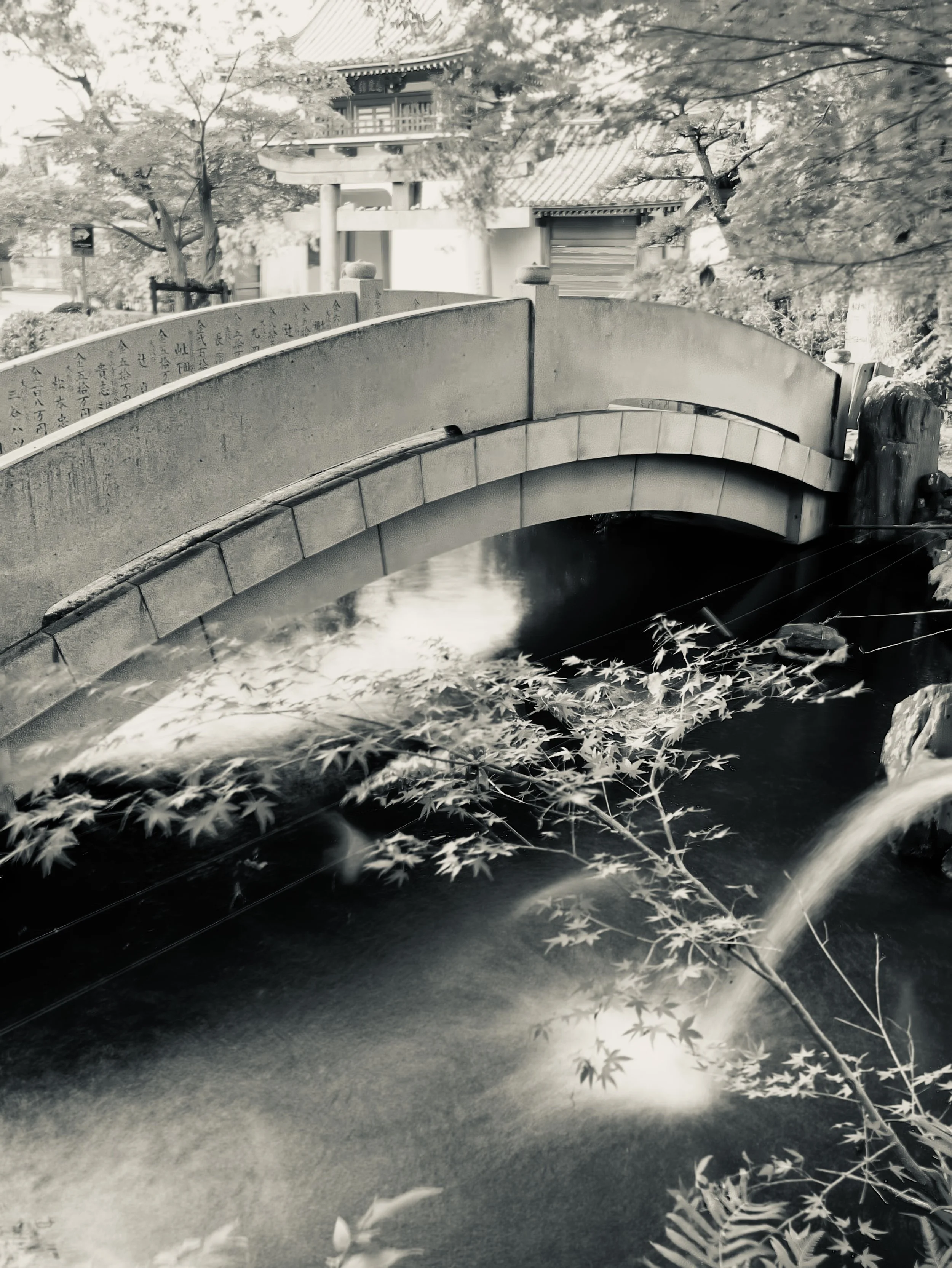

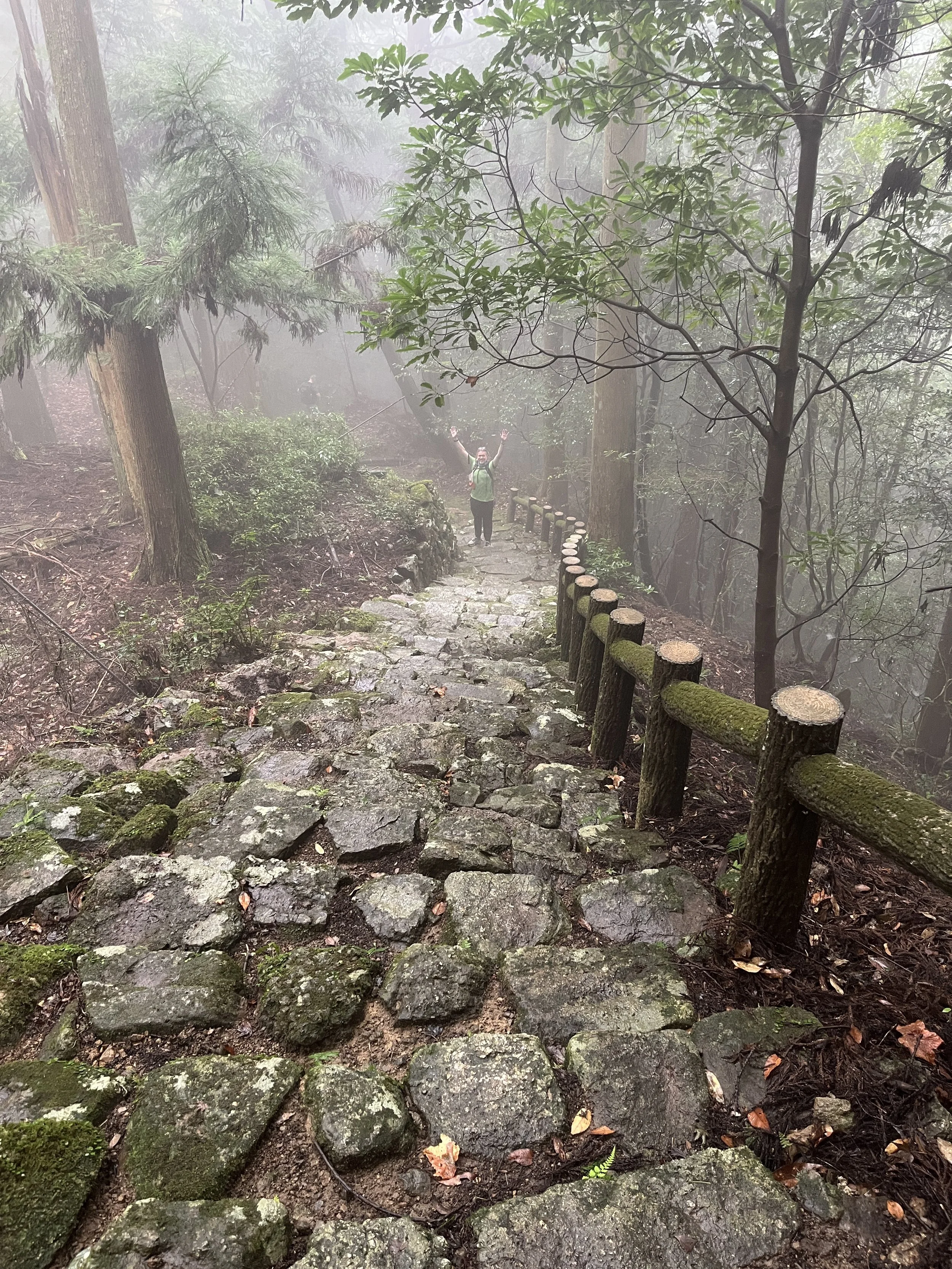
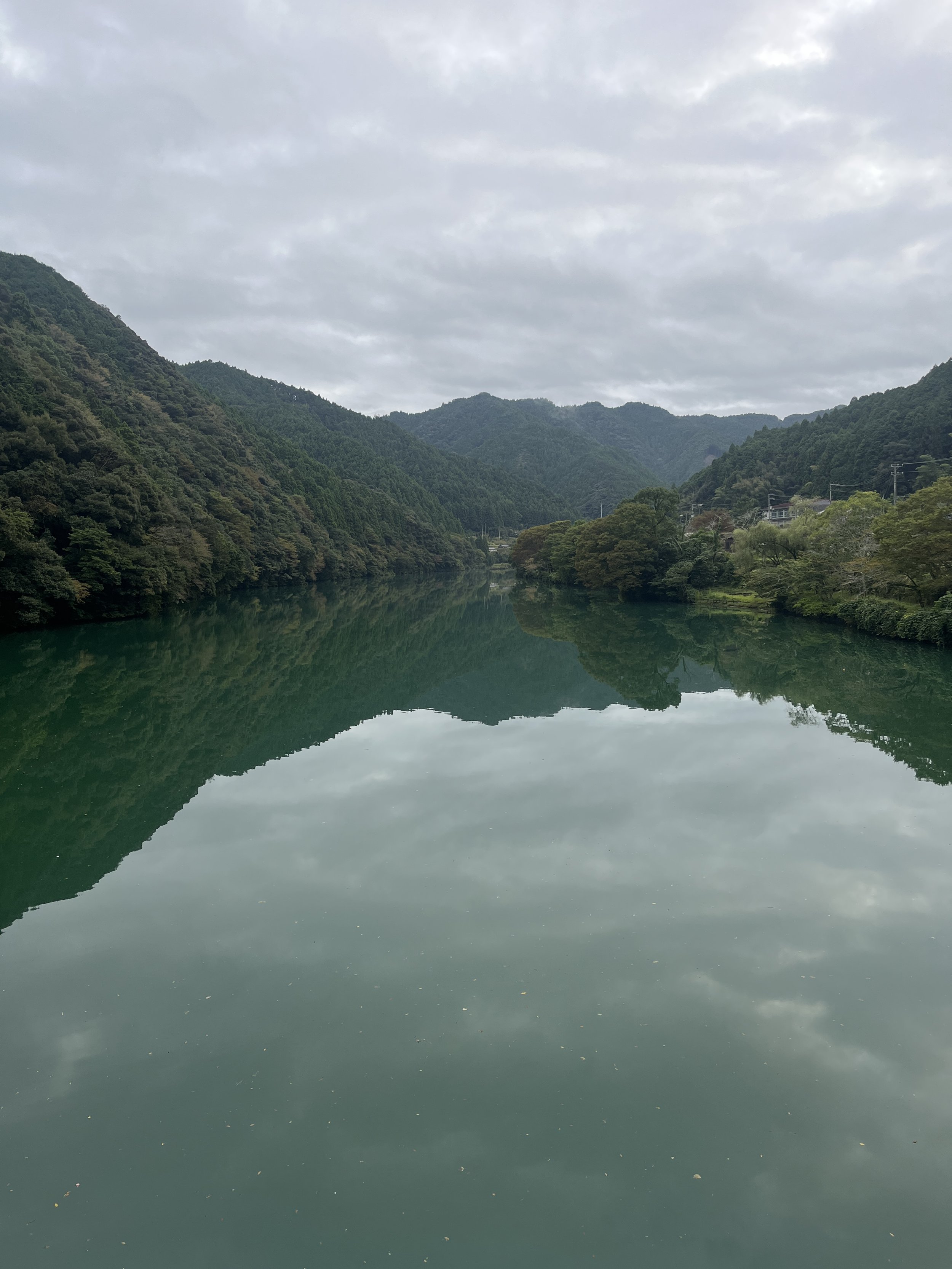
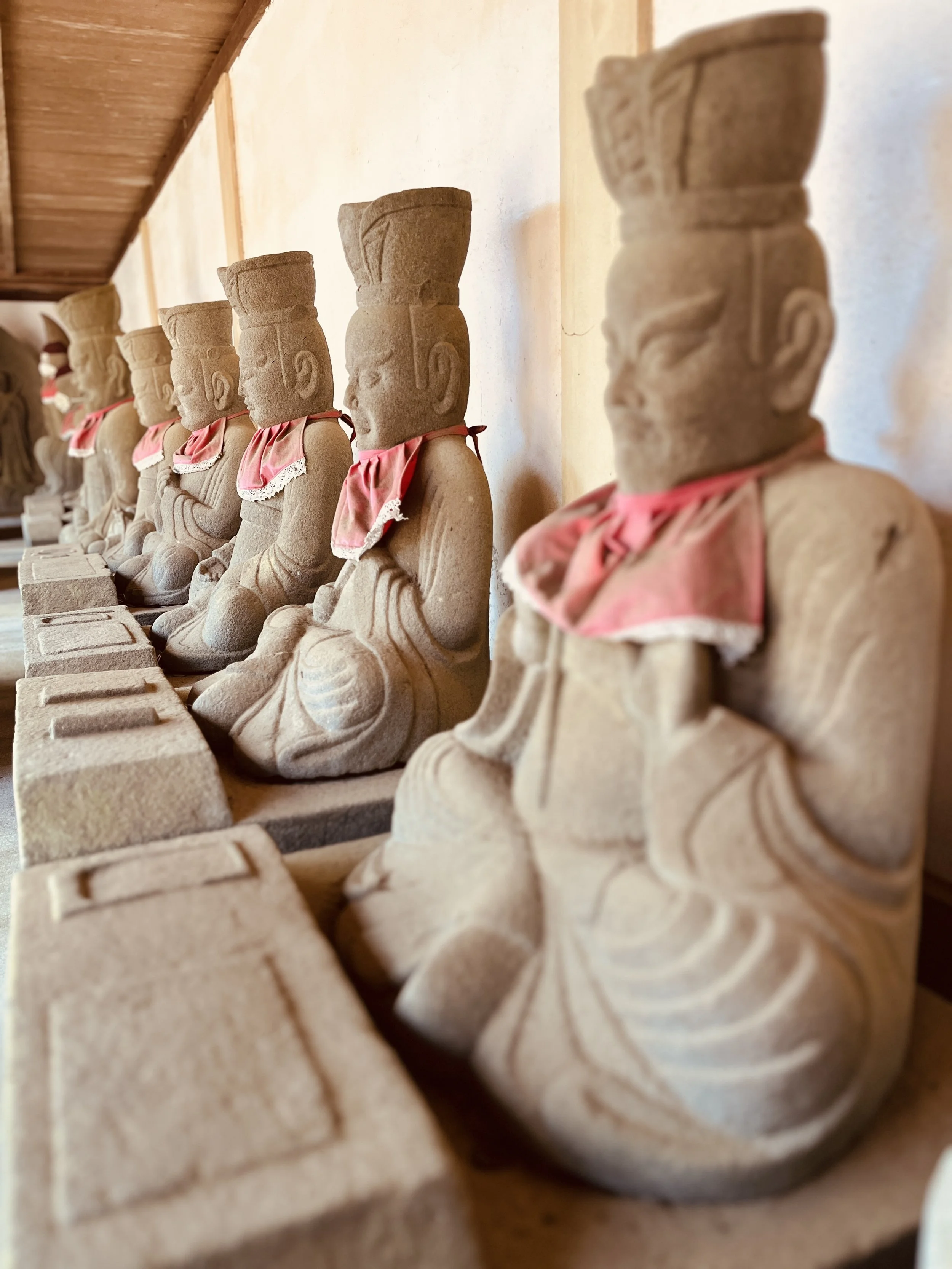
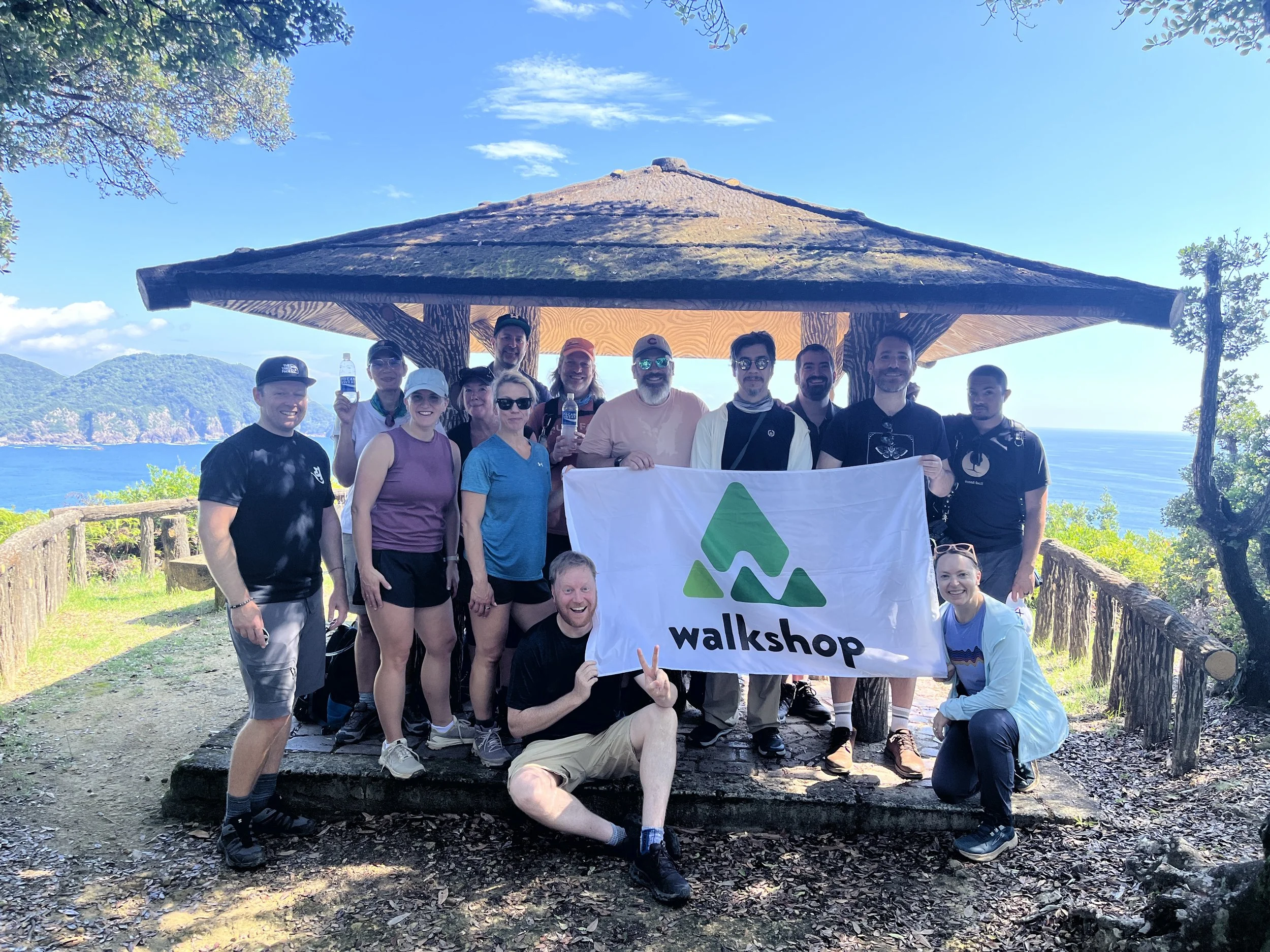
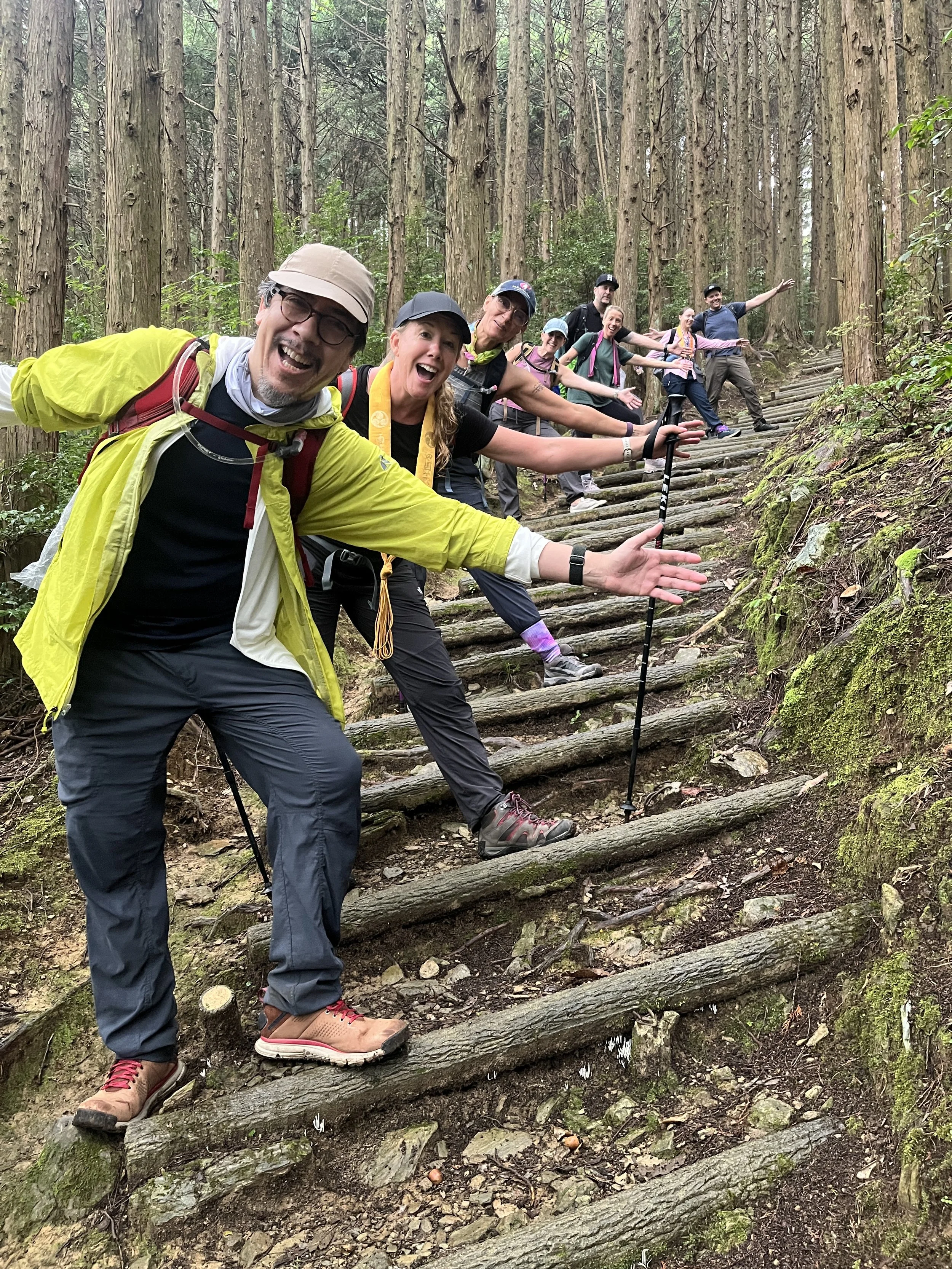

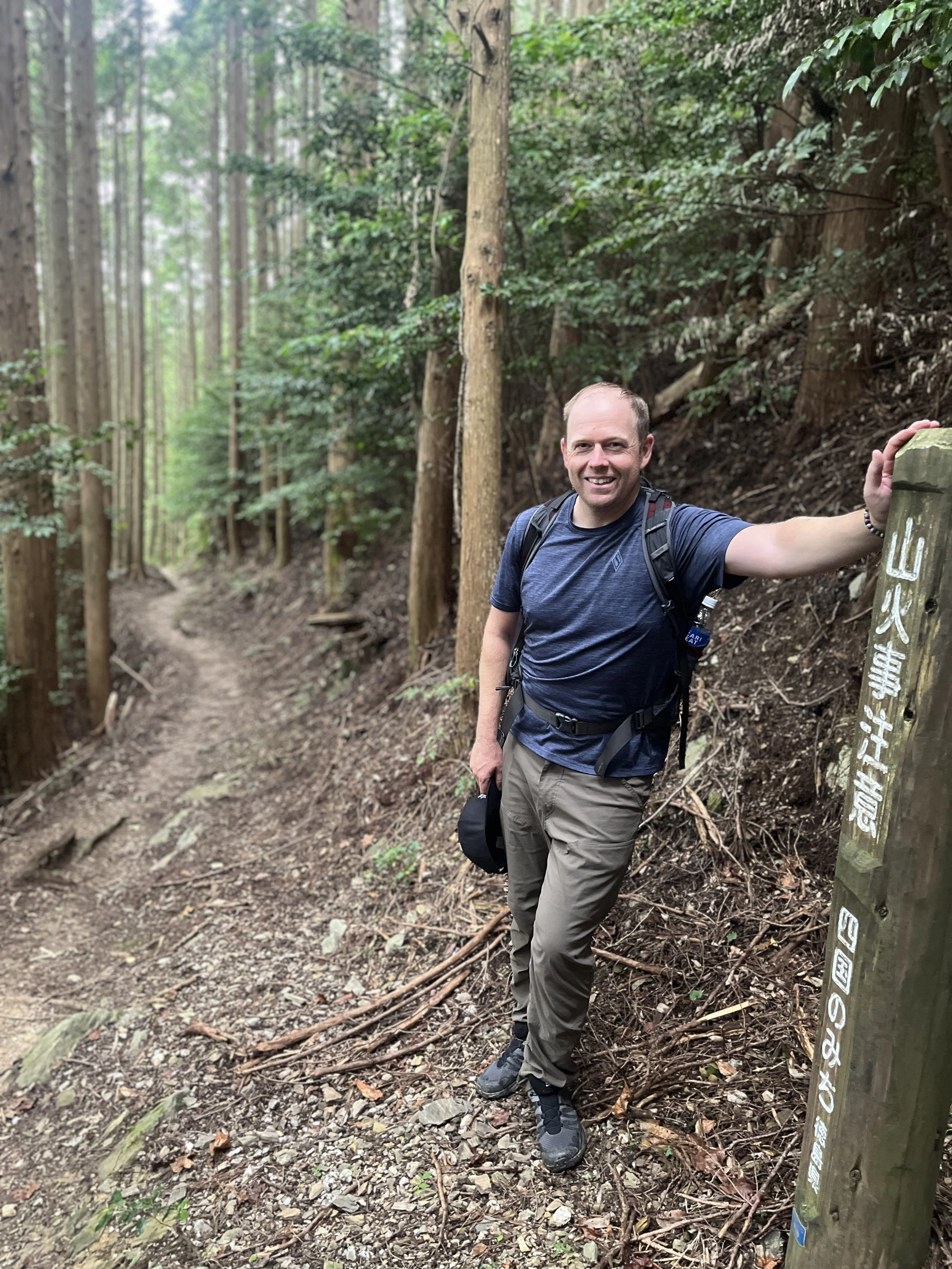
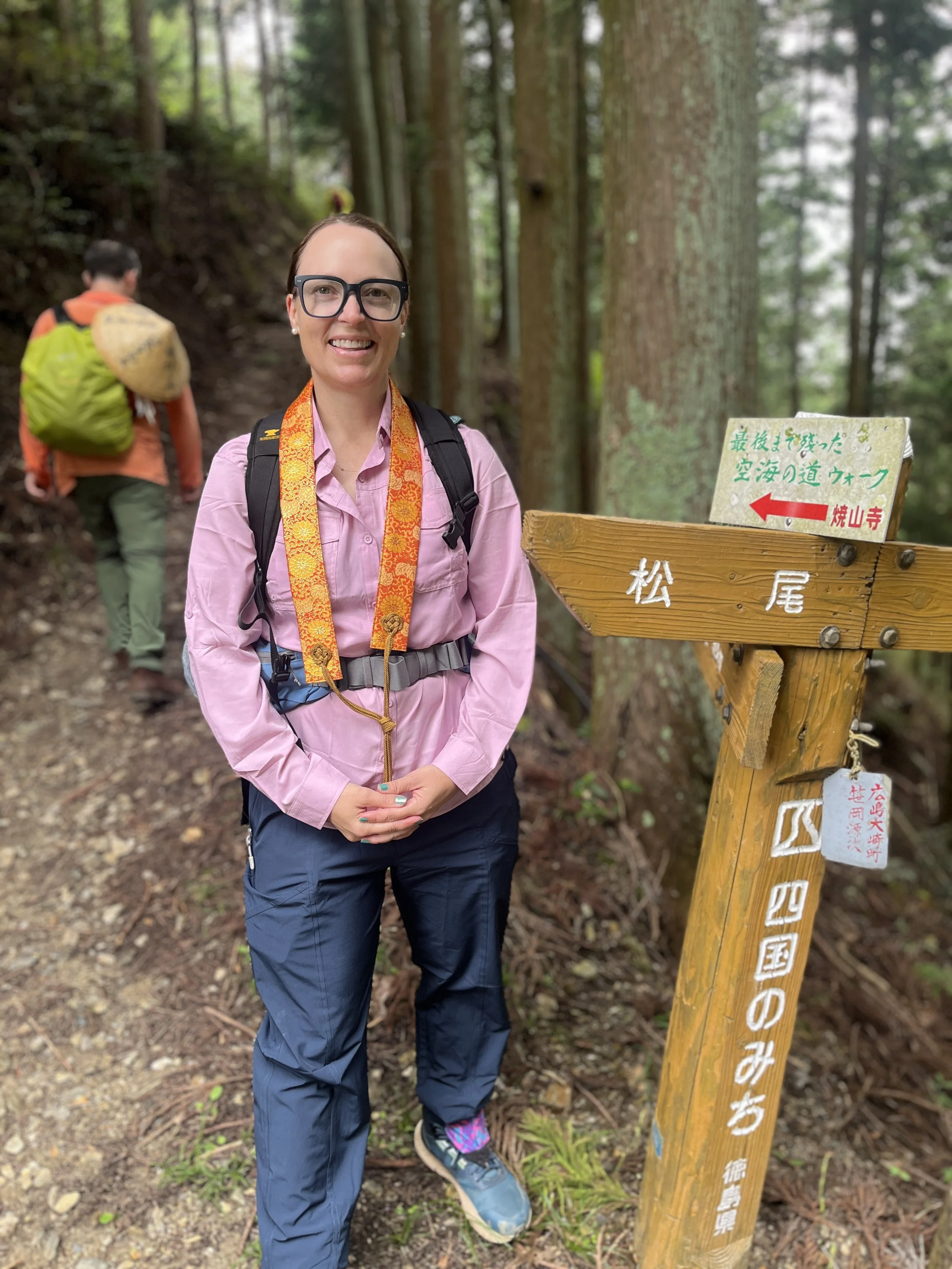
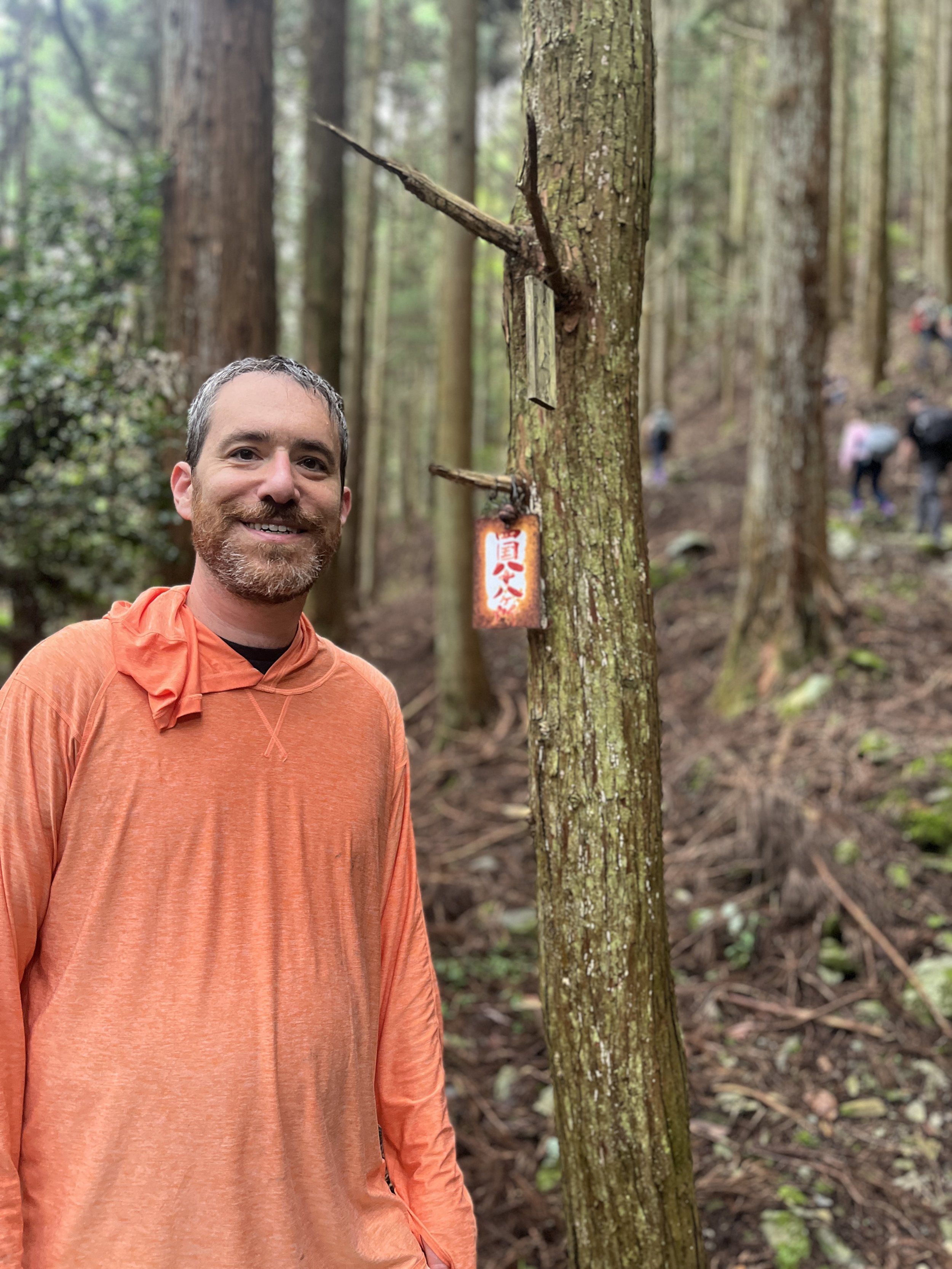
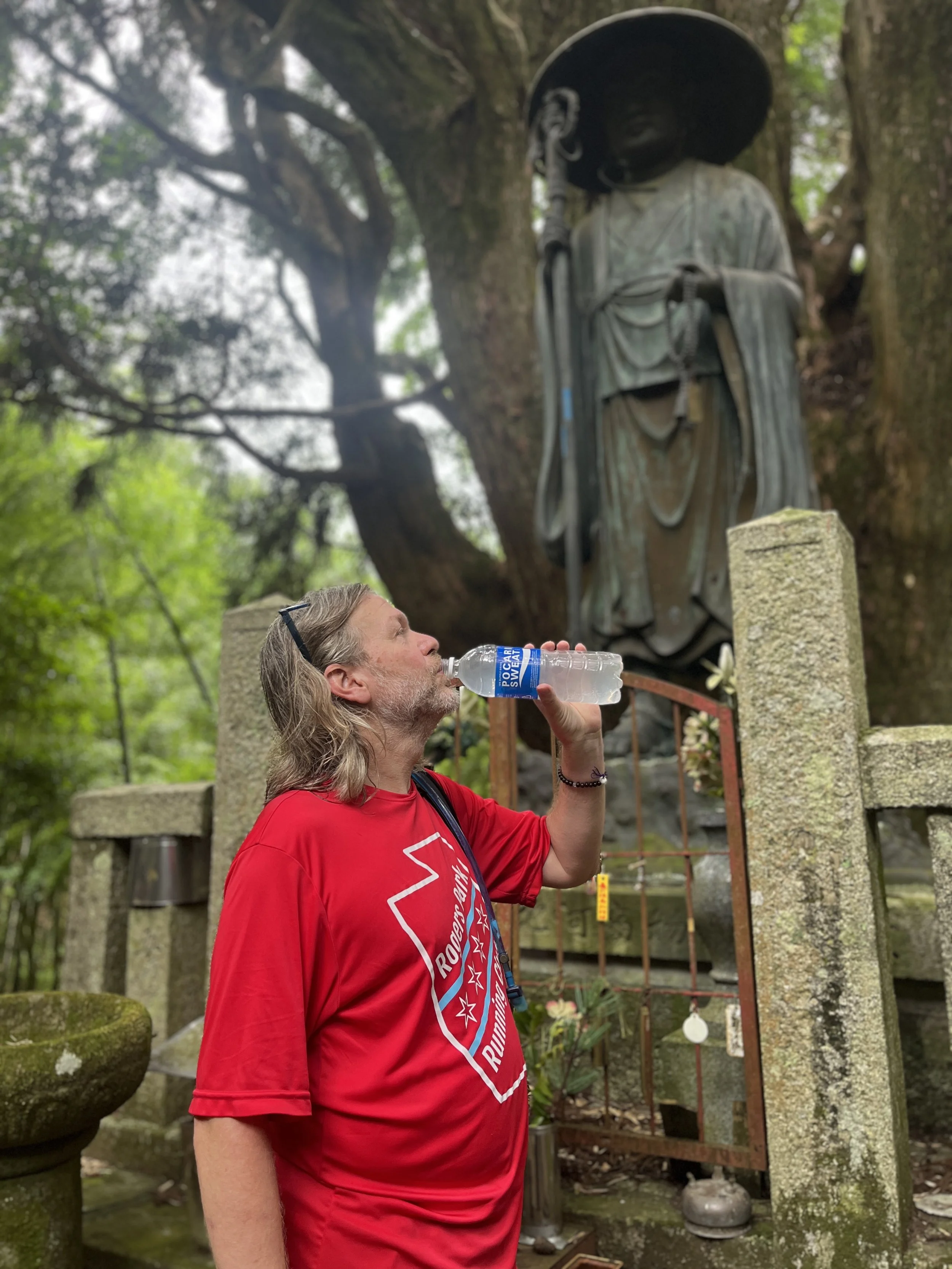
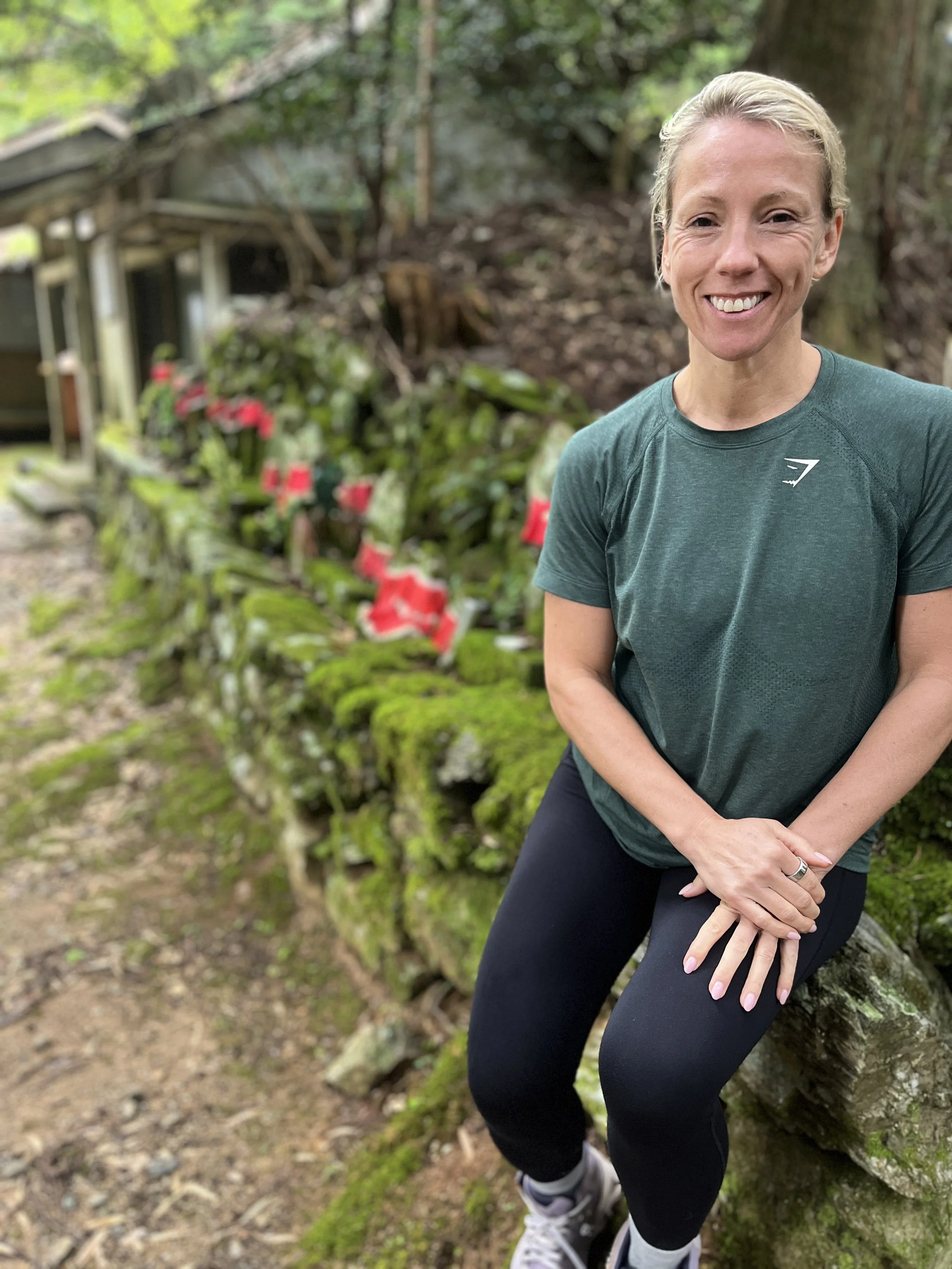
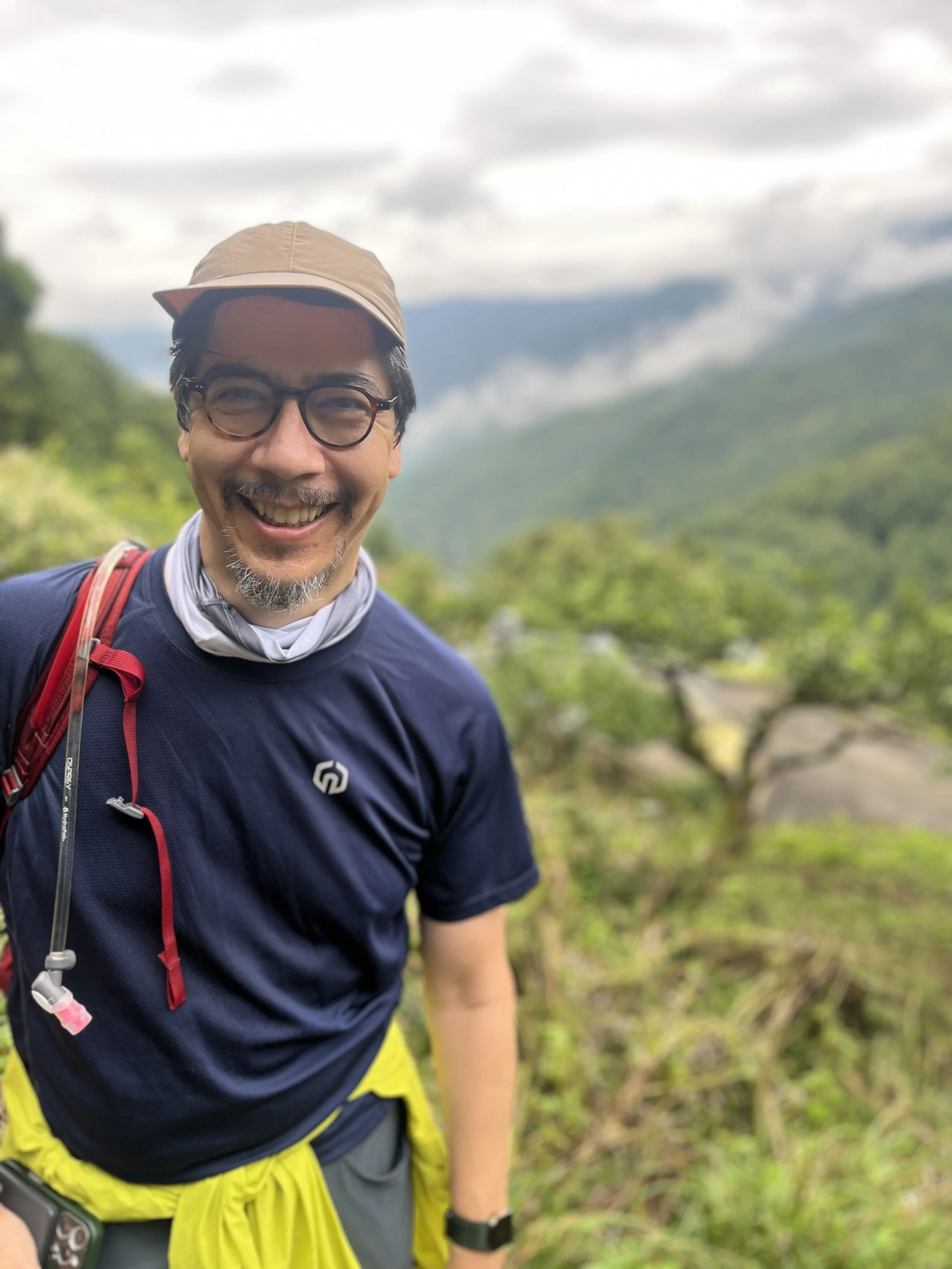
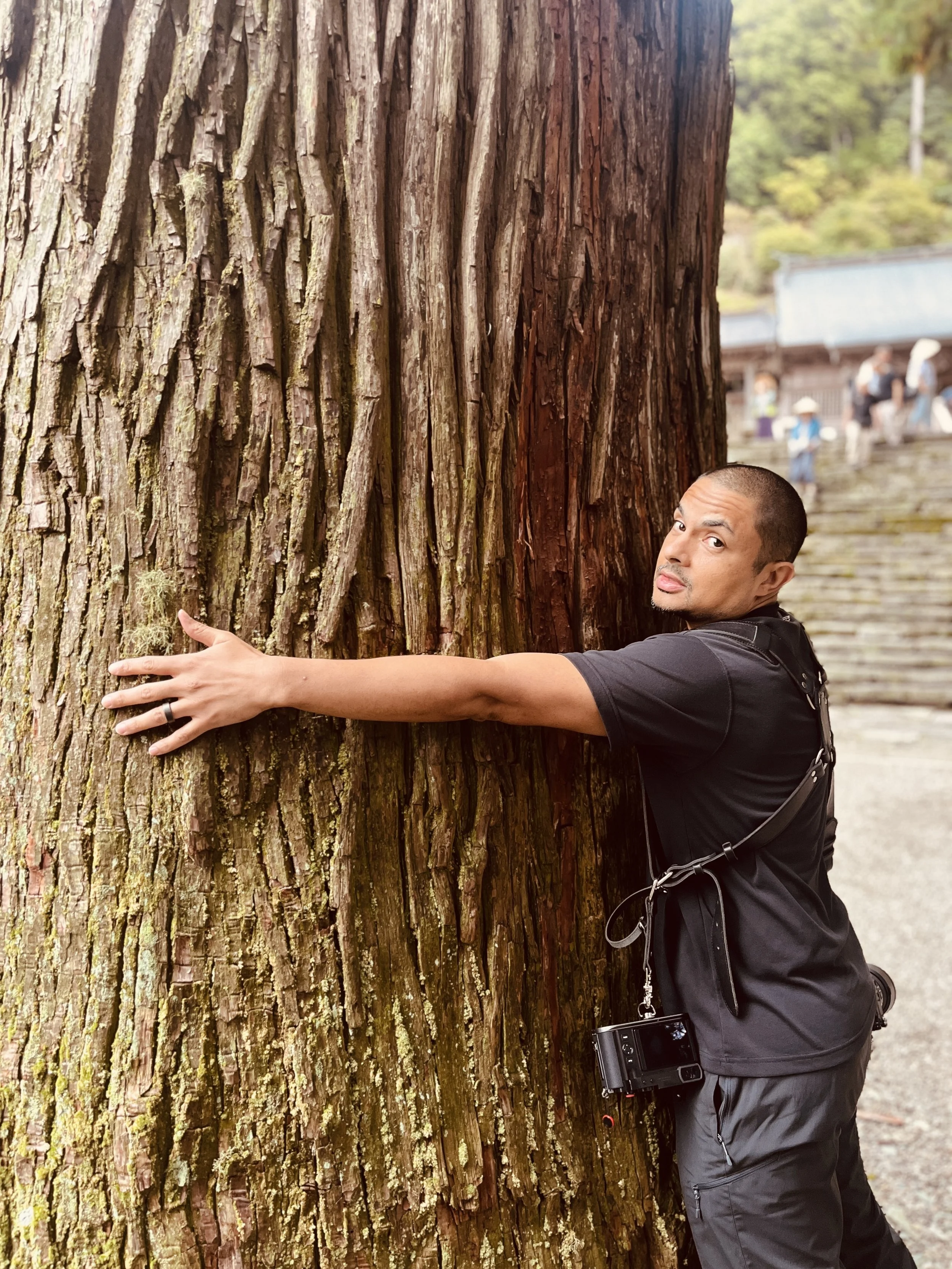
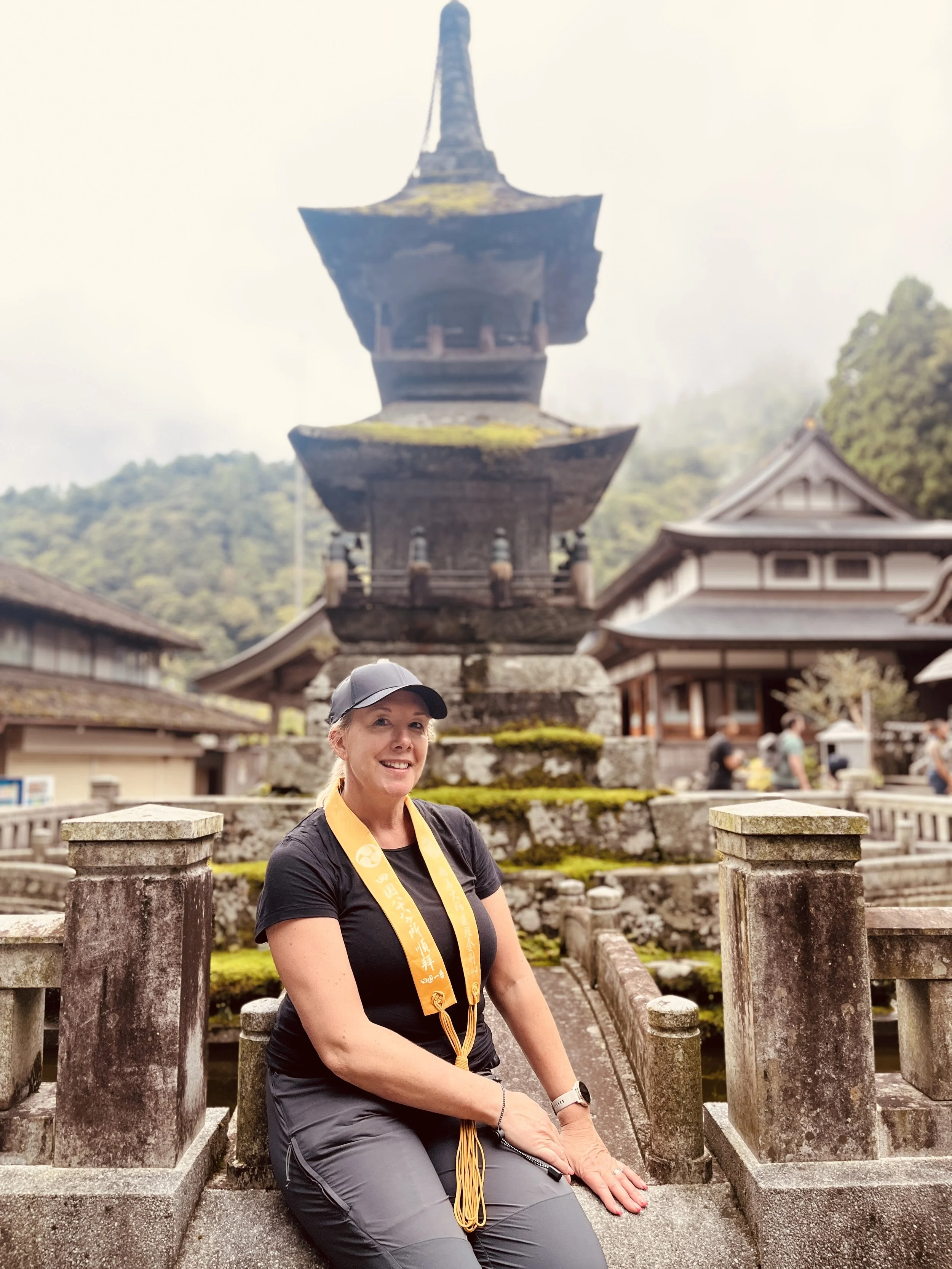
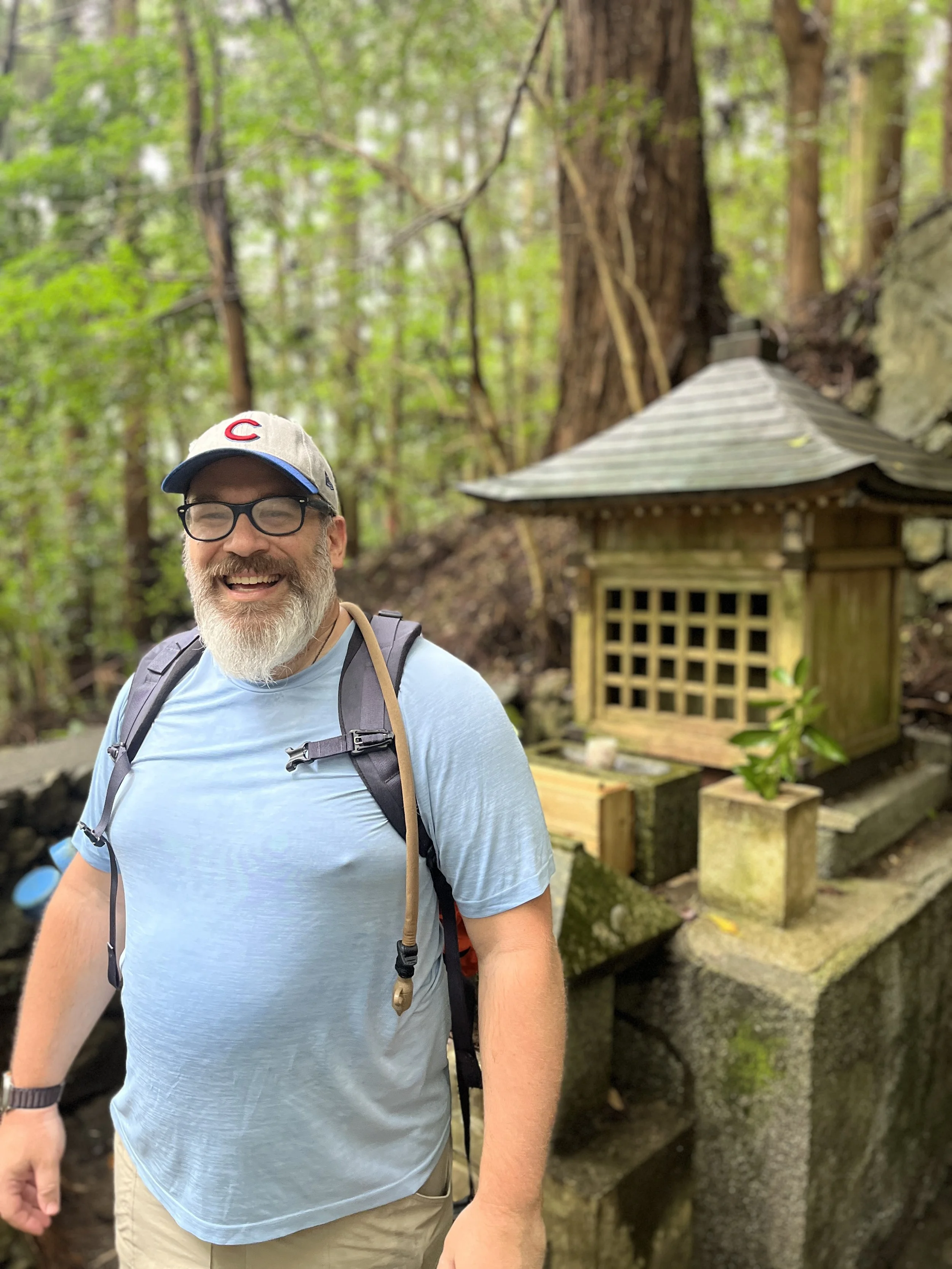

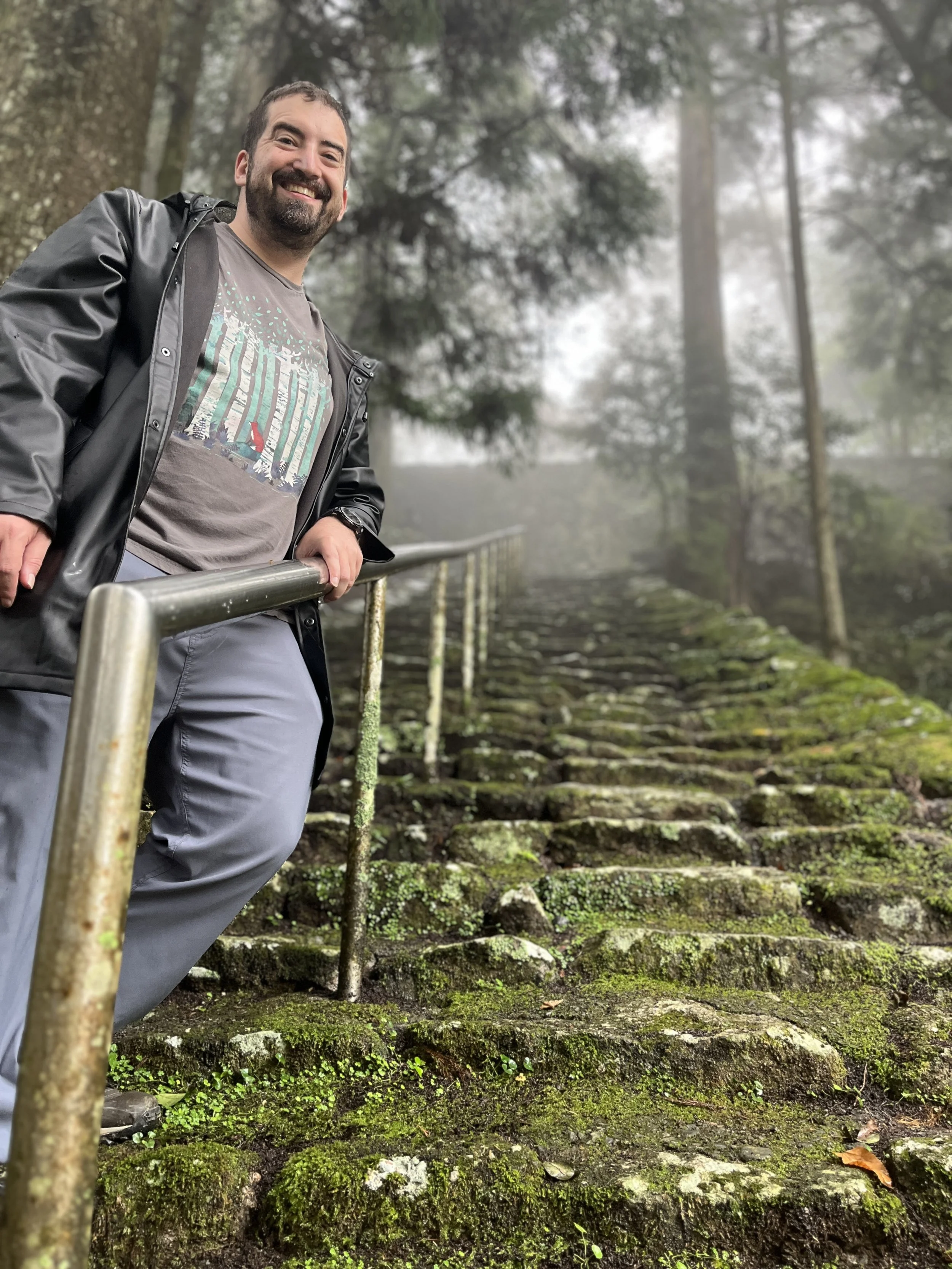
See the Flickr gallery
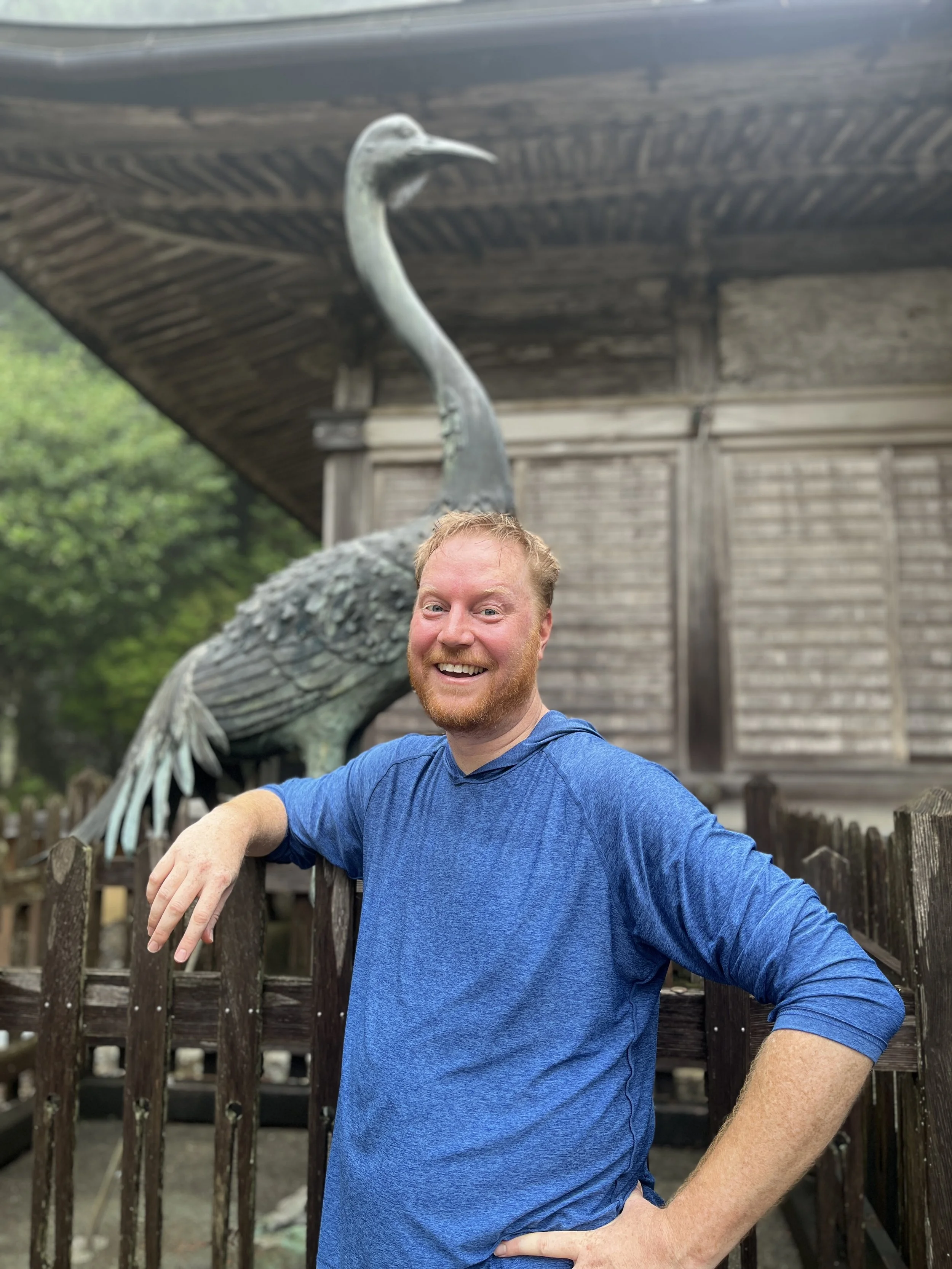
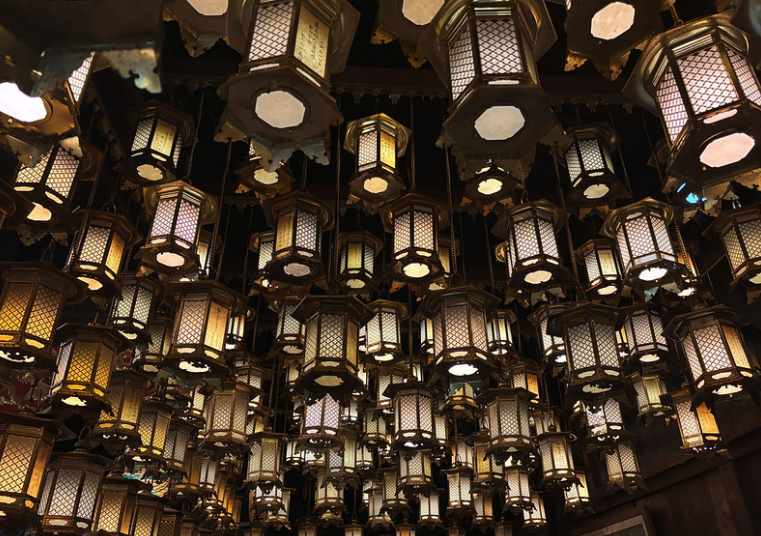
Our fellow hiker, Mack Adams, took some incredible photos of his Walkshop experience. See more of his incredible shots

Our facilitator: Tanarra Schneider
Tanarra Schneider is a rebel leader, empathetic iconoclast, and seasoned advisor with 30 years of experience shaping leaders and organizations across Activision Blizzard, Accenture, JetBlue Airways, and other global brands. Known for her ability to navigate complex organizational dynamics, she has supported C-suite executives in moments of existential uncertainty, coached rising stars learning to claim their strengths, and led transformation efforts that demand both courage and accountability. Her career has been defined by a core obsession: understanding why some teams become greater than the sum of their parts while others—equally talented—fall short.
Facilitation Approach

-
Sunday, September 21
We will depart from Kyoto and head to the start of the Pilgrimage in Bando, in the suburbs of Tokushima City. As we prepare for the hike, we will have a welcome dinner to meet the fellow hikers and introduce the Ikigai principles.
Brief overview of ikigai and its Japanese roots.
Explain the workshop's structure and what participants can expect over the five days.
-
Monday, Sept 22nd
Day 1: We will introduce the concept of ikigai, discuss its origins and purpose, and encourage participants to start exploring the four areas in a relaxed, reflective manner.
Self-Introduction:
Each participant shares a little about themselves, focusing on their current life stage and a brief story about something that makes them feel fulfilled.
Introduction to the Four Areas of Ikigai:
Briefly explain each area (What you love, What you’re good at, What the world needs, and What you can be paid for).
Reflection Exercise:
Light, reflective questions (e.g., "What do you enjoy doing in your free time?", "What skills come naturally to you?", "What causes do you feel passionate about?").
Write down initial thoughts in a workbook or journal.
-
Tuesday, Sept 23
On our second day of hiking, we will examine each area more deeply, preparing our group for tomorrow’s full day Ikigai workshop.
Guided Exploration of Each Area:
Break down each element with guiding questions:
What You Love: “What hobbies or activities make you lose track of time?”
What You’re Good At: “What skills have people frequently complimented you on?”
What the World Needs: “What are some issues in the world that resonate with you?”
What You Can Be Paid For: “What marketable skills do you have or wish to develop?”
Journaling and Reflection:
Write down responses, encouraging honesty and a lack of judgment.
Group Pair-Up Exercise:
Pair up to discuss one area we each feel confident about and one we feel uncertain about.
-
Wednesday, Sept 24
This day is a day off from the trail. This “inner hike” day will be a chance to physically recover and dive deeper into the conversation together.
Our Walkshop participants will discover their ikigai through deeper introspection and activities.
Morning Session - Review & Revisit:
Revisit the four areas and share any additional insights from the past two days.
Brief group sharing on intentions for the day.
Guided Visualization Exercise:
Visualization to help participants imagine their ideal life if they were fulfilling all four areas of ikigai.
Note key emotions, images, or ideas that come up.
Self-Assessment Worksheets:
Structured exercise to explore specific answers for each area, allowing participants to identify overlapping answers or themes.
Group Activity - Sharing and Feedback:
In small groups, each participant shares their self-assessment and receives supportive, constructive feedback.
Afternoon Session - Synthesis:
Participants look for intersections between the four areas.
Participants draft a preliminary purpose statement based on these intersections.
Closing Reflection:
End with a journaling prompt: “How do I feel about my purpose, and what questions remain for me?”
Wrap-Up: Encourage participants to reflect on their discoveries and begin thinking about actionable goals for the next two days.
-
Thursday, September 25
We will focus our discussion time on the vision each of us took away from the previous day’s workshop. What would success look like if we really doubled down on Ikigai purpose?
In small groups during the hike, participant presents their ikigai statement and journey so far. Hikers provide constructive feedback and shares potential ideas for expansion or refinement. Participants discuss how they can align their purpose with real-world actions and opportunities.
-
Friday, September 26
On our final day of hiking, having gone through the “Ikigai” exercise, we will talk about immediate actions to take and think about how best we can hold each other accountable when we return from the trail.
Break down goals into short-term (next 30 days), medium-term (next 6 months), and long-term (1-3 years).
Encourage participants to choose specific actions they can take to move toward each aspect of their ikigai.
Accountability Pairing: participants discuss accountability partners to check in on their progress post-workshop.
At a meta level, we will also explore what ideas and insights we will each take back with us when we return back home. What have we learned from the hike that we can use to build traction at home?
Pilgrimage Hiking Schedule

Arrive by Saturday, September 20 in Kyoto
Arrive, unpack, and get accustomed to your surroundings (and for some, hikers will choose to arrive a few days earlier to spend time in Tokyo or elsewhere in Japan earlier in the week). If you are traveling in Japan before the Walkshop, be sure to arrive in your hotel Friday night in Kyoto.
The Walkshop will start on Sunday, September 21 from there and bring us to the start of the Pilgrimage trail.

Sunday, September 21st: Kyoto to Bando (the start of the Pilgrimage)
Distance for today’s hike: 3 km (just getting warmed up!)
Elevation gain: N/A
Temple #1: Ryozen-ji, the first of the Shikoku Pilgrimage’s 88 temples.
After check-out from your hotel in Kyoto, meet your Tour Leader mid-morning in the lobby and depart by dedicated vehicle (already paid for) to head to for Bando, in the suburbs of Tokushima City. Upon arrival in Bando, our Tour Leader will take us on a leisurely walk around the German House, Oasahiko Shrine and visit Temple #1 Ryozen-ji.
First, we will visit a unique exhibition documenting the fascinating cultural exchange between locals and German soldiers. The Germans, who had become prisoners of war in China during WWI, formed an orchestra and mounted over 100 concerts during their incarceration, including the first public performance of Beethoven’s Ninth Symphony in Japan.
Next, we visit Ryozen-ji, the first of the Shikoku Pilgrimage’s 88 temples. Within the temple precincts, aspiring pilgrims, known locally as O-henro-san, prepare for their journey by acquiring the distinctive accoutrements of white garb, sedge hat, walking staff and praying beads. (You may wish to add some or all of these items to your walking gear!) We highly recommend to obtain Ryozen-ji’s goshuin, or temple stamp (your Tour Leader will help you with that). These elegantly handwritten inscriptions are collected by pilgrims, one for each temple they visit.
We will have a group dinner that night (dinner price included in your ticket)

Monday, September 22nd: Bando to Anraku-ji
Distance: 18km (11 miles)
Elevation gain: 130m, 427 feet
Temples: #1, #2, #3, #4, #5, #6
After breakfast (included in your ticket), we briefly pay our respects to Ryozen-ji, and we begin our pilgrimage; a journey of stages on a symbolic path from awakening to nirvana. The pilgrimage route from here is generally flat and wends its way past paddy fields, plum orchards, market gardens and a towering kusunoki camphor tree, which has stood watch over pilgrims for centuries, as you make your way from temple to temple. Lunch is taken near Konsen-ji, #3 of the 88 temples, and options include dining on udon wheat noodles, a popular Shikoku speciality, or eating al fresco with morsels bought in the local shops.
The pilgrimage continues on, sometimes through quiet residential suburbs and at other times over gentle rises through forests to the #4 and #5 temples, respectively Dainichi- ji and Jizo-ji. The latter features a collection of over 200 rakan statues of Buddhist disciples, and an 800-year old ginko tree. A little further on is #6 Anraku-ji, the sixth temple and your destination for the day.
Accommodation is in the temple’s shukubo pilgrims’ lodging. Here, enjoy a well-earned relaxing soak in the onsen thermal hot spring baths before a delicious and nourishing dinner. You will also visit the temple’s inner sanctum, view its holy treasures and participate in prayers.
We will have a group dinner that night (dinner price included in your ticket)
Tuesday, September 23rd: Anrakuji to Kamiyama
Distance: 16.5 km (10.3 miles)
Elevation gain: 1,083m (3,553 feet)
Temples: #11 and #12
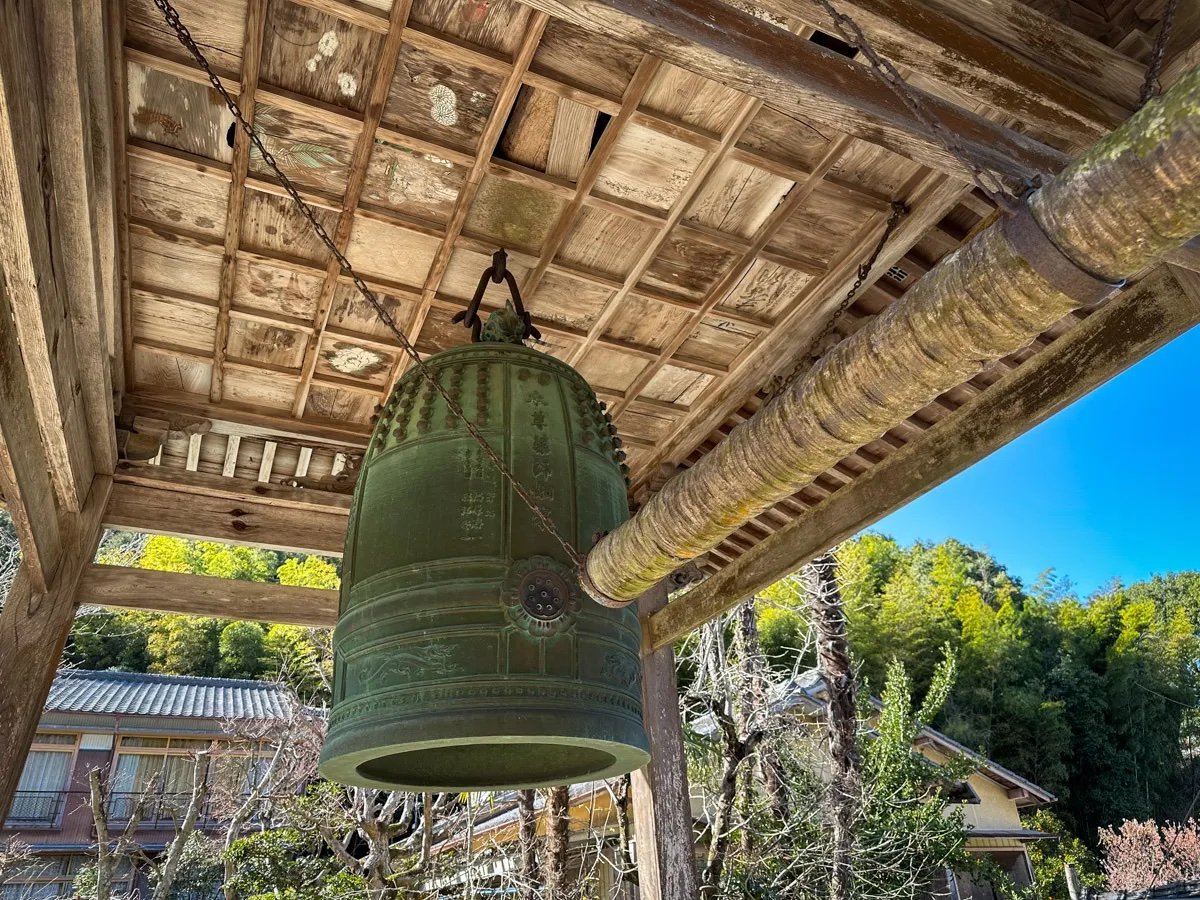
Enjoy breakfast (included in your accommodation) before transferring by dedicated vehicle (also already included) to Fujii- dera, # 11 of the 88 temples. Today’s walk starts here and passes through forests including some long mountain trails over three peaks. Small shrines placed to either side of the path guide you on your way, as does Ippon-sugi-an, an ancient sugi cedar tree of great girth under which stands a serene statue of Kukai. A delightful farming hamlet heralds your arrival at Shosan-ji, Temple #12. Standing atop a mountain 800 metres above sea level, Shosan-ji is known for its spectacular setting amongst giant sugi cedar trees, the tops of which often disappear into enveloping mists.
Beyond, the pilgrimage trail descends into a small valley town, where a transfer brings you to tonight’s accommodation in Kamiyama Onsen. Kamiyama, which literally means 'Mountains of the Gods', is an entirely appropriate name for this beautiful village. Relax and enjoy a well-earned bask in the accommodation’s onsen baths before tucking into a traditional kaiseki dinner (included in the price of your ticket) - a meal composed of multiple delicious dishes.

Wednesday, September 24: Ikigai Workshop
Location: Kamiyama
Today, we will enjoy a more physically relaxed day while we stay overnight at the accommodation, where you will have access to a meeting room for our Ikigai workshop. Breakfast and dinner will both be provided and our Tour Leader will advise regarding lunch options nearby.
After the workshop, we will have some more time to enjoy the onsen hot spring baths.
Thursday, September 25th: Kamiyama to Momijigawa
Distance: 15km (9.3 miles)
Elevation gain: 910 m (3,000 feet)
Temples: #20 and #21
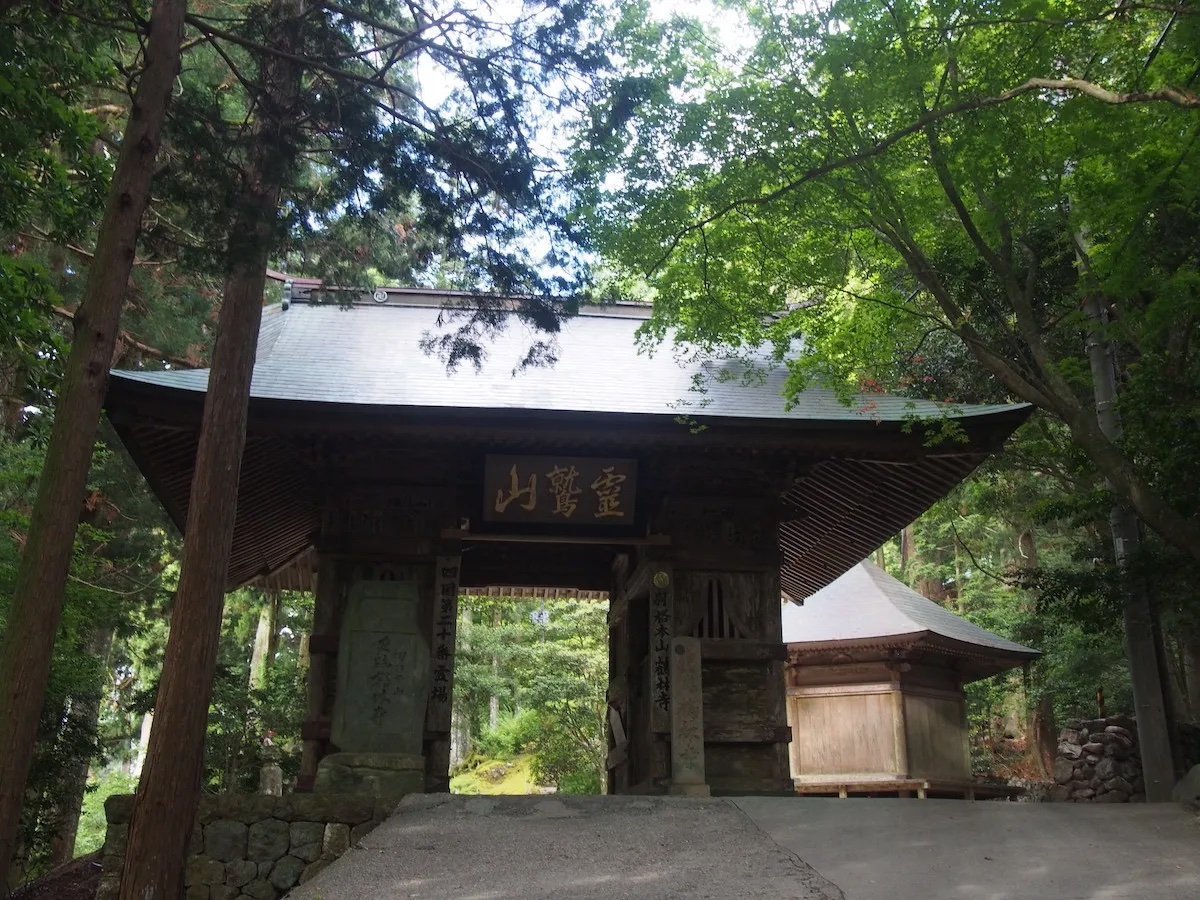
After breakfast (included in your ticket) transfer to the base of a climb to Kakurin-ji, Temple # 20, which entails an ascent of 470 metres over four kilometres through beautiful forests. From Kakurin-ji the route follows an undulating forest trail and cobblestone paths down to a quiet mountain village. Cross the Naka-gawa river and begin today’s final ascent though native woodlands aside cascading streams to Tairyu-ji, Temple # 21. Secluded at the top of a pass and often draped in mist, Tairyu-ji is an ethereal embodiment of the spirit of the Shikoku Pilgrimage. After absorbing the serene atmosphere, a cable car eases the final stretch of the journey down to the town far below. A short distance away is our evening’s accommodation, which is set aside a quiet river. Relax once again in the onsen baths here before a hearty dinner (also included).

Friday, September 26th: Naka Valley to Tokushima
Distance: 7km (4.5 miles)
Elevation gain: 200m (656 feet)
Temple: #23
After breakfast, we travel onwards via dedicated vehicle through Hiwasa, a quiet fishing town The pagoda at Yakuo-ji, the 23rd temple on the Shikoku Pilgrimage, presides over the town and can be seen from miles away. From its top, a beautiful view is afforded over Hiwasa to the Pacific Ocean. From here, a six kilometre looping walk leads you past Hiwasa Castle to a coastal ridge trail. Well-exercised pilgrim’s legs will have no trouble navigating the ups and downs of this forest trail, which opens up repeatedly to views over the steely-blue sea. Returning Hiwasa’s town centre, you will continue your journey by rail to Tokushima City and your hotel accommodation for the night. Dine in town tonight, your Tour Leader will take you to a local restaurant for the last dinner on tour (included)
Saturday, September 27th: Travel home via Osaka
After breakfast at the hotel (included), transfer to Osaka by dedicated vehicle (ride included in your ticket). The tour finishes in Osaka: the dedicated vehicle will drop the group off in Shin-Osaka station around 12.45pm, and then at Kansai International Airport (KIX) around 2.00pm.
Ikigai Walkshop
Shikoku Island, 2025